Category: Birding

  • Kensington Metropark: A quick birders guide through the winter

    Kensington Metropark: A quick birders guide through the winter

    Kensington Metropark through the seasons: Winter birding guide.

    Kensington Metropark Winter Quick Facts

    LocationKensington Metropark
    Entry Fee$10 daily fee, $40 year pass for residents of Livingston, Macomb, Oakland, Washtenaw, and Wayne county, $45 for everybody else
    Park Hours6 a.m. – 10 p.m
    Target BirdsWaterfowl, Gulls, Pileated Woodpecker, Sandhill Cranes, Wild Turkeys
    Best Time to VisitEarly mornings in the winter
    TerrainSeveral up to 2 mi gravel nature trail loops, 12 miles of hike-bike trails
    FacilitiesPlenty of parking, nature center with animal exhibition (opens 10 am), heated restrooms
    Bite recommendationWitch’s Hat

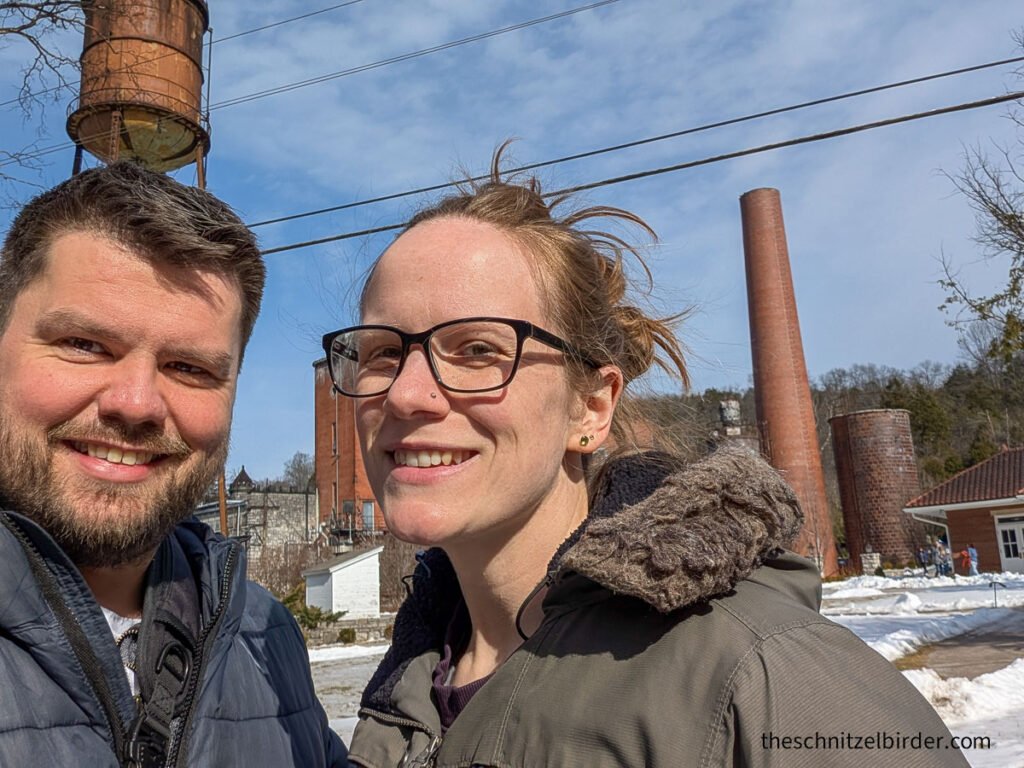
    Kensington Metropark is located north of I-96 between Novi and Brighton. With 4,481 acres, it is one of the bigger (if not the biggest) Metroparks. A lot of its surface area is covered by woodlands and the big Kent Lake. For me, Kensington has some additional significance: It was the first park I went to with my now-fiancée.

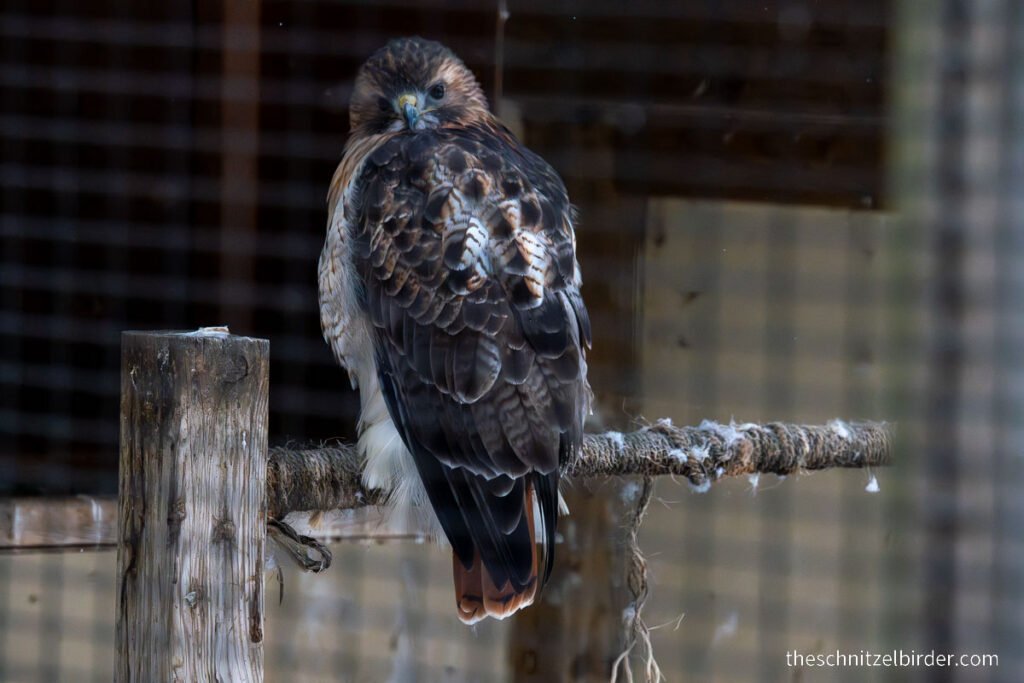
    To many people, Kensington in the winter means cross-country skiing, toboggan riding, or ice fishing. For me, it means hiking the nature trails, scoping the lake for waterfowl, and visiting Ranger, the resident Red-tailed Hawk, after warming up in the Nature Center.

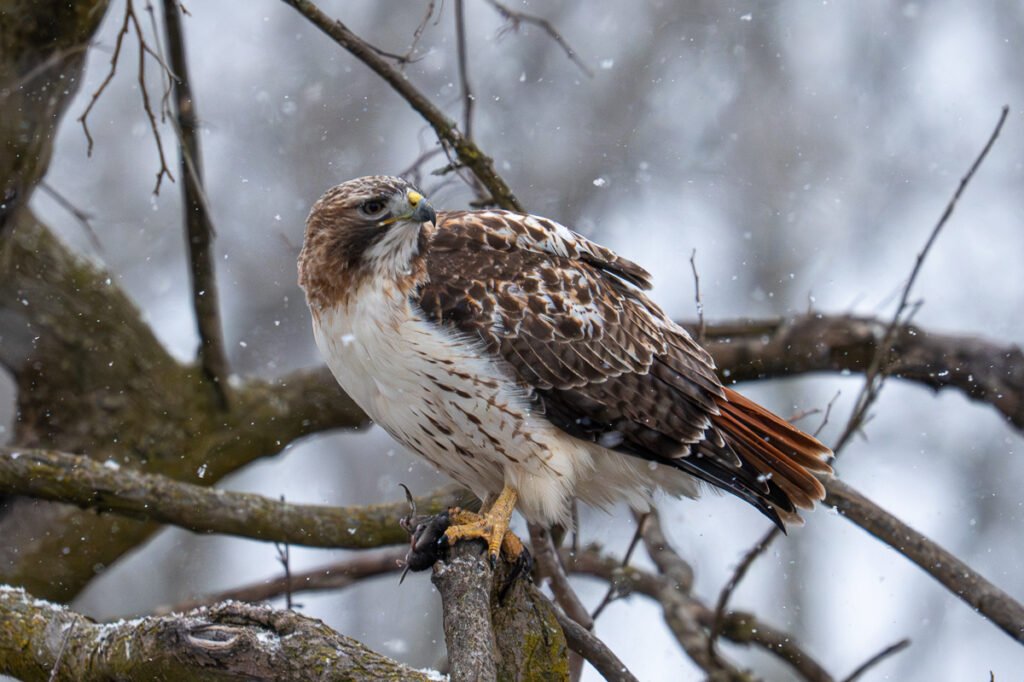
    Ranger, the local Red-tailed Hawk at Kensingon Metropark in the Winter
    Ranger, the local Red-tailed Hawk at Kensingon Metropark in the Winter

    The Nature Trails

    The Nature Center usually is one of the stops during my visits. It is the trailhead for four different interconnected loops through the forest. The terrain is quite hilly, and in the winter, it is not cleared of snow. This is not a problem when the snow is fresh, but it can become one once the snow is compressed into an icy trail.

    Like every other place, Kensington is more calm in the winter. But what you will definitely find are hungry birds. The Metroparks were, until recently, encouraging hand-feeding the birds. This led to an unnaturally high population of Black-capped Chickadees, Tufted Titmice, and Mourning Doves. I, myself, am not free of guilt: I did feed them before, but I will follow the directions of the park in the future.

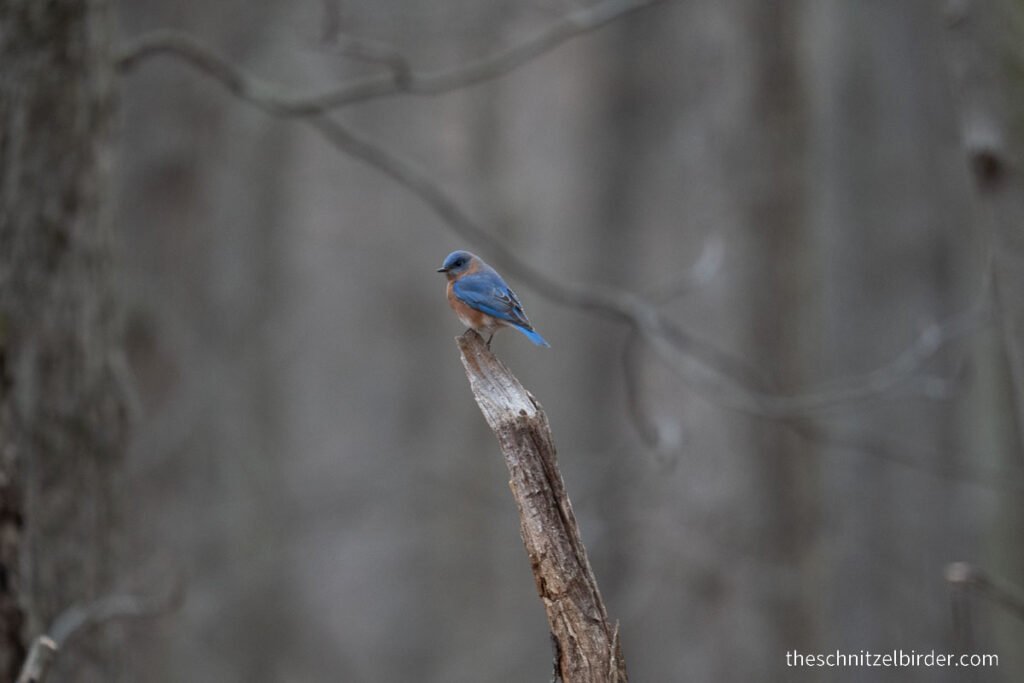
    Eastern Bluebird at Kensingon Metropark in the Winter
    Eastern Bluebird at Kensingon Metropark in the Winter

    The woods around the nature trails are the perfect place to find Eastern Bluebirds and Pileated Woodpeckers. On my first trip to Kensington a couple of years ago, I did in fact see my first-ever Pileated Woodpecker.

    More Wildlife encounters in Kensington!

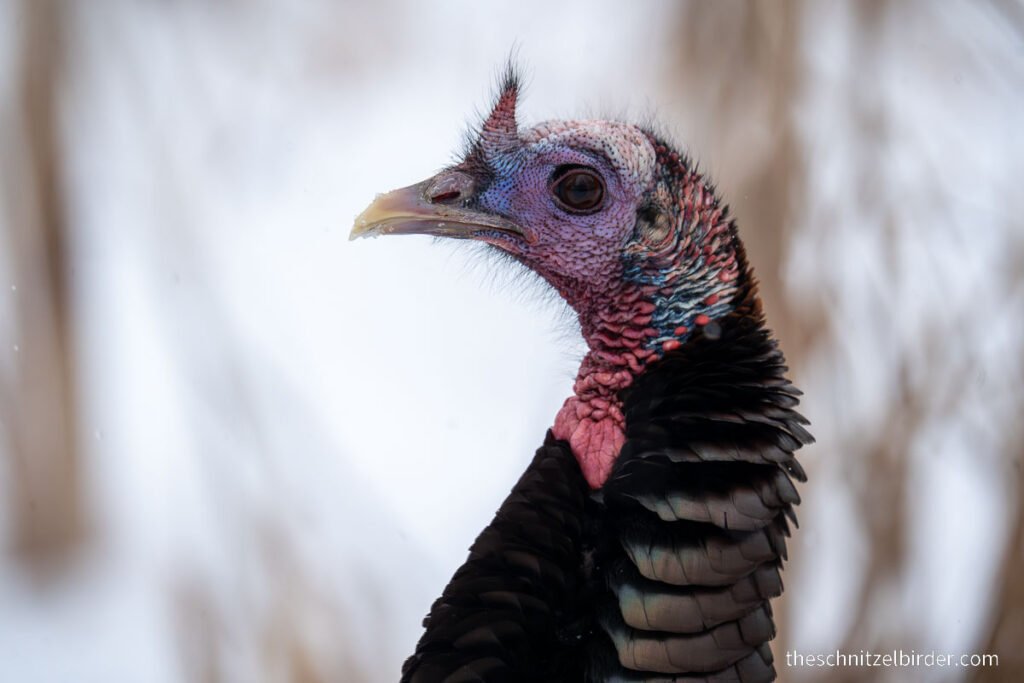
    Beautiful Turkey at Kensingon Metropark in the Winter

    Another typical find on the nature trails are the Wild Turkeys. But be cautious! They do like to come close, especially when they see you feeding other birds.

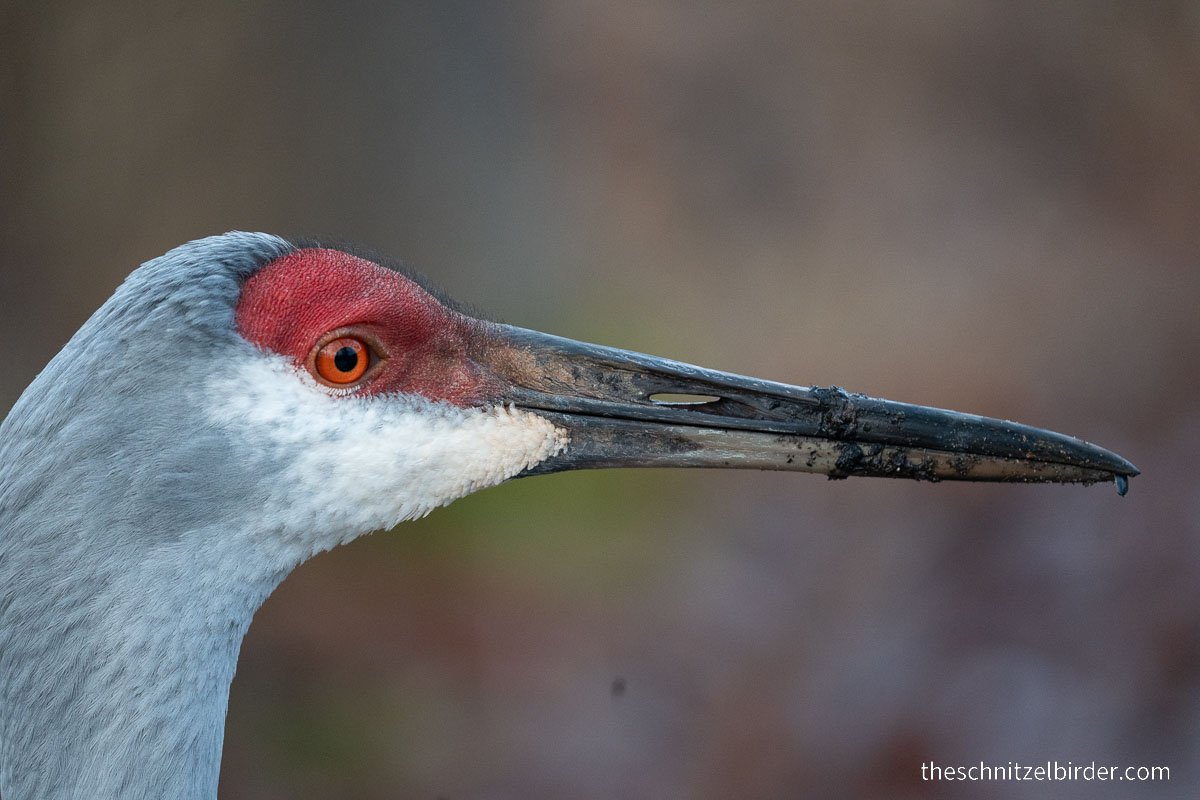
    The other highlight are the Sandhill Cranes. While most of Michigan’s Sandhill Cranes migrate south through the eastern flyway in fall, at least a dozen will winter in the Metropark. They are used to being close to humans and therefore make a good photo subject.

    Scoping Kent Lake

    In normal winters, when Kent Lake is not always fully covered in ice, it offers a great opportunity to scope for waterfowl. Here are my favorite spots to check:

    • East Boat Launch: This is a very convenient spot. You can park very close to the water and you do not have to carry your scope that far.
    • The Bridge (North of “The Big Intersection”): From here you are more likely to spot dabbling duck species, since the water north and south of the bridge is more shallow. Unfortunately, you have to walk there!
    • Beaches & Boat Rental: Both of the beach parking lots, as well as the parking lot for the boat rental, are closed in the winter months. However, these places are still your best bet to see rare gulls, Kingfishers, or just to have another spot to scope. Even in the winter, you can reach those areas using the hike-bike trail.
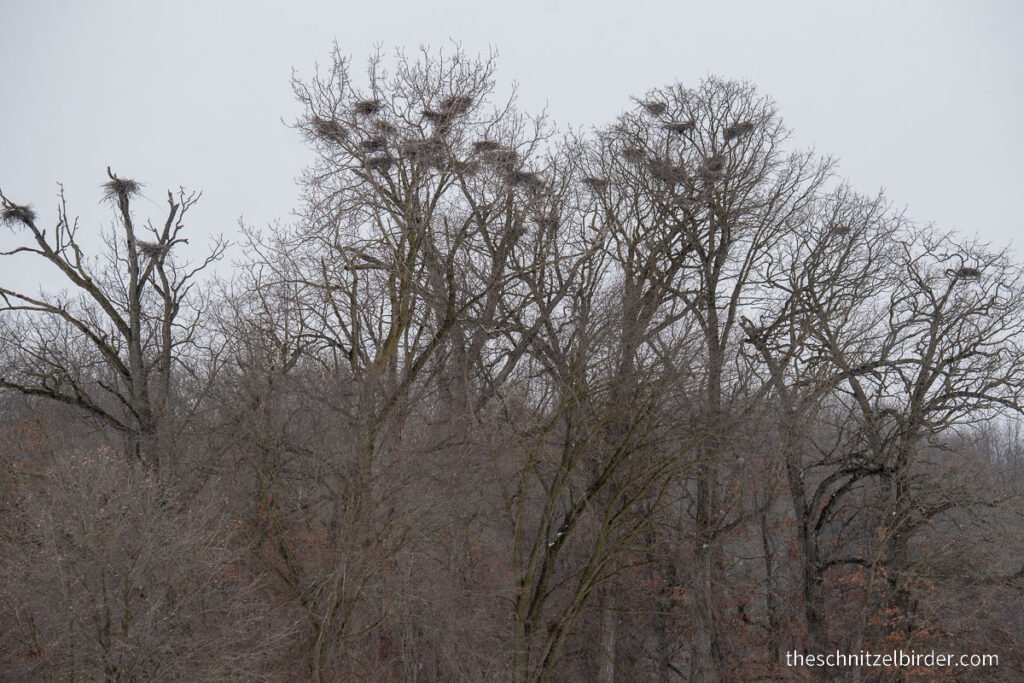
    Heron Rookery waiting for first signs of Herons and spring
    Heron Rookery waiting for first signs of Great Blue Herons (They will start come back late February) and spring

    While I recommend to definitely wear some warm cloths and layer up, I recommend to leave the bird seeds at your feeder at home. To me, a typical winter trip to Kensington includes the following gear:

    My typical gear list

    • Thermal pants (for temperatures sub freezing)
    • Heavy gloves
    • Warm Hat (Detroit Lions Hat)
    • Warm Coat
    • Sony A7IV + Sigma 150-600mm F5/-6.3 DG DN
    • Camera Strap
    • Vortex Crossfire HD 10×42 Binoculars
    • Vortex Crossfire HD 20-60×80 Spotting Scope
    • Snacks (ideally homemade)

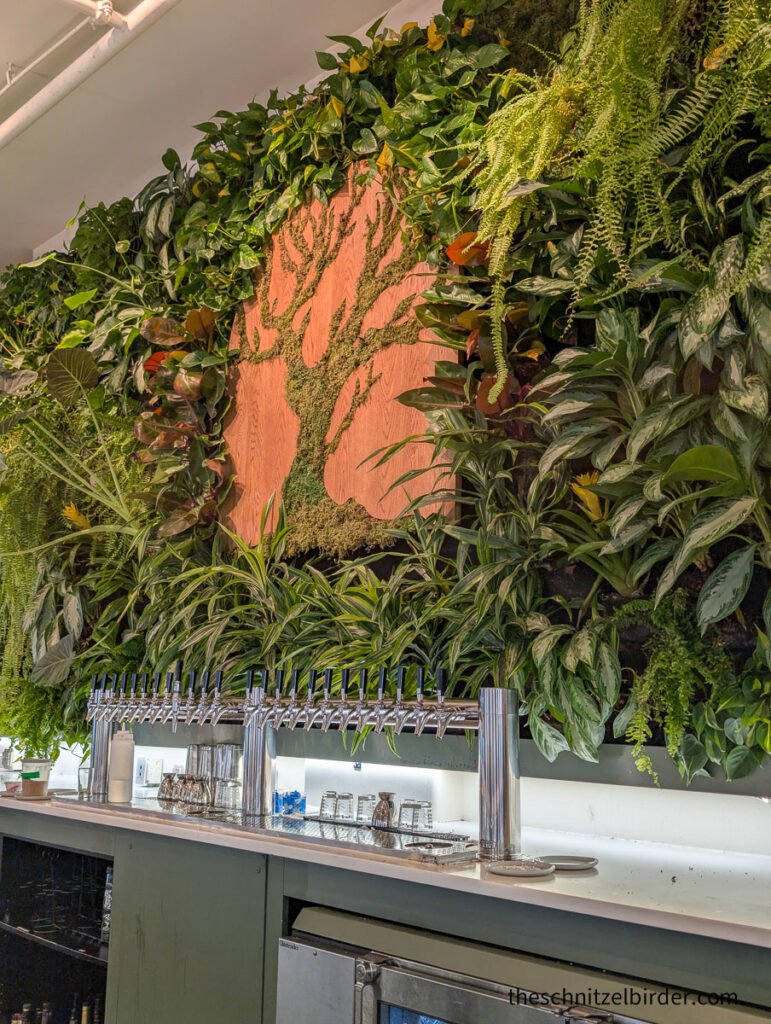
    Now what? Einkehren at the Witch’s hat brewery in South Lyon

    If you read through my other reports and guides, you know by now, that I do like a good beer every once in a while. And what is there better to do than grabbing a local craft beer after a long day in the cold.

    My recommendation for today is the Witch’s Hat Brewing in South Lyon. They are located 10 to 15 minutes south of Kensington (depending on where you are in the park). My last visit was before I decided to start this Blog, so you must forgive me, that I do not have a more extensive review. I will add that as soon as I was there the next time!

    If you liked this little guide, please also make sure to visit my reports and guides about Belle Isle, Lake St. Clair Metropark and on how-to not find Snowy Owls!

    Did I miss anything? Let me know in the comments below! And please make sure to subscribe to my mailing list for monthly updates outside of my blog! 🥨🦉
  • Lake St. Clair Metropark in the Winter: a quick guide for birders

    Lake St. Clair Metropark in the Winter: a quick guide for birders

    Lake St. Clair Metropark through the seasons: Winter birding guide.

    Lake St Clair Metropark Winter Quick Facts

    LocationLake St. Clair Metropark
    Entry Fee$10 daily fee, $40 year pass for residents of Livingston, Macomb, Oakland, Washtenaw, and Wayne county, $45 for everybody else
    Park Hours7 a.m. – 8 p.m
    Target BirdsRed-tailed Hawks, American Tree Sparrow, Winter Wrens, Waterfowl, Bald Eagles
    Best Time to VisitEarly mornings in the winter
    TerrainFlat 1.5 mi gravel nature trails, 4.5 miles of hike-bike trails
    FacilitiesPlenty of parking, nature center with animal exhibition (opens 10 am), heated restrooms
    Bite recommendationCrocker Coffee House – 5 mins away

    Lake St. Clair Metropark is probably one of the smallest in the Metropark system. It has a lot to offer regardless, especially when the temperatures drop. During the winter months, the park transforms into a hub for cold-weather activities like ice fishing, they build up a hockey field when it is cold enough, and of course, there is the nature trail area. As of January 2026, there is construction and the nature trails are not a loop.

    Pro Tip: Most Metroparks let you in earlier than the posted hours. Just make sure to pay later for your visit or get the season pass!

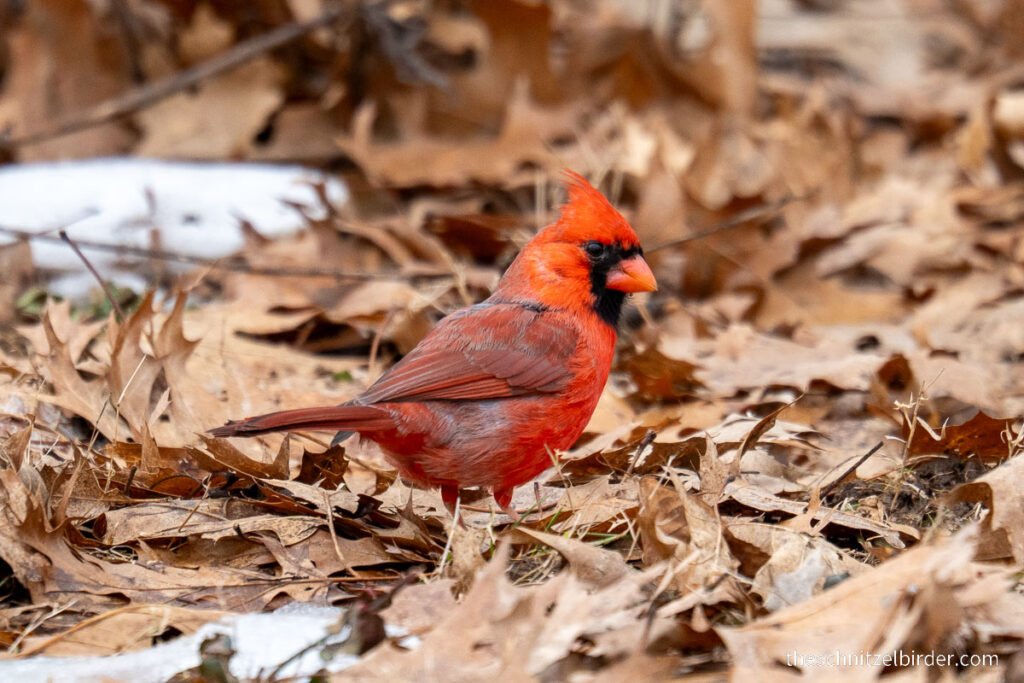
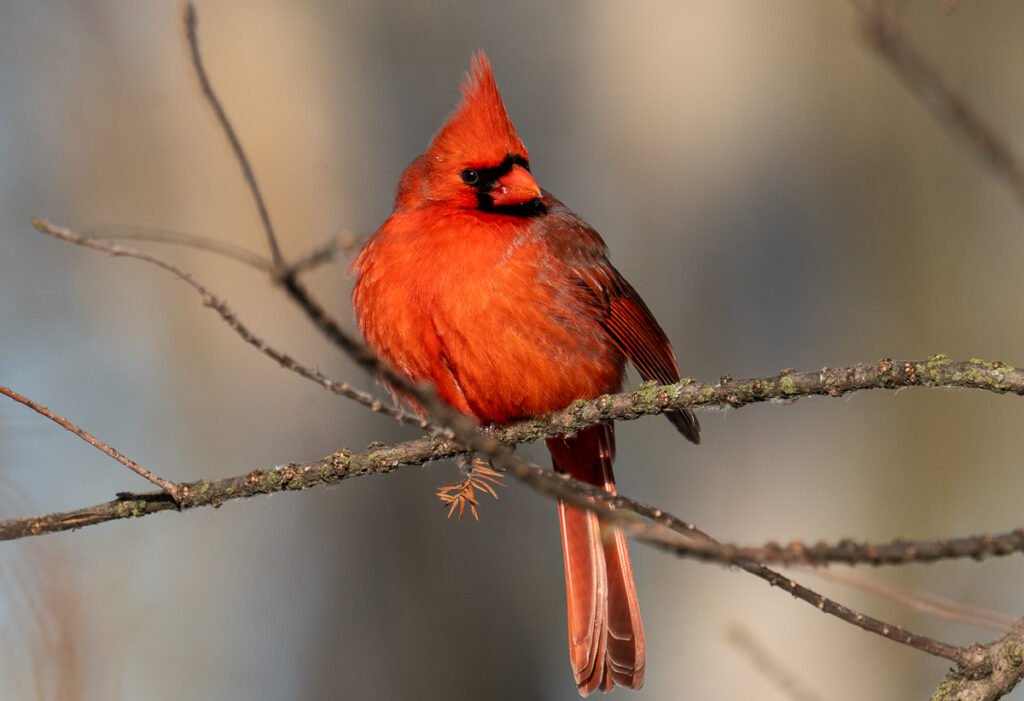
    Northern Cardinal at Lake St. Clair Metropark in the Winter
    Northern Cardinal (Cardinals are year round visitors, but I had to add this gorgeous picture)

    Seeking Calm on the Nature Trails

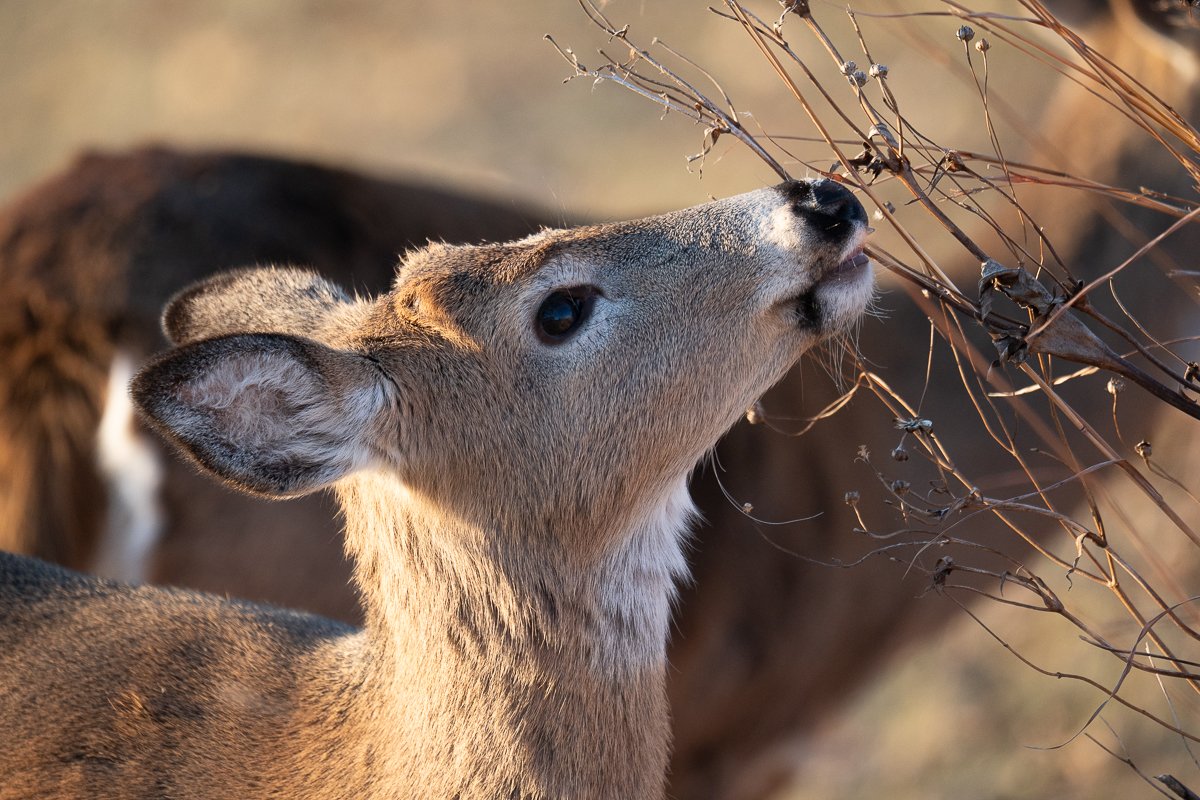
    My favorite activity in the winter is to walk those 1.5 miles of unpaved nature trails. With the exception of a lot of ice fishing on the frozen lakes, the park tends to be somewhat calm, which is better for you if your target is birding. You can find all kinds of Hawks, Owls, and smaller birds in this small park. One part of the trails was even closed because of the nesting pair of Bald Eagles last year. For the non-birder there will be Raccoons, Fox Squirrels, Grey Squirrels, White-tailed Deer and Minks!

    I usually park by the nature center and arrive before the nature center is open. Especially on really cold days, it can prove itself as a valuable resource for heating up; unfortunately, it only opens at 10 am.

    The All-You-Can-Eat Buffet at the Feeders

    Just by the nature center, you will find the entrance to the nature trails, as well as the bird feeder station. The probability to see some Red-tailed Hawks there is quite high, since they’ve got an “all-you-can-eat buffet” right in front of them. At the feeders, you’ll find all the regulars like Cardinals, Starlings, House Sparrows, and Woodpeckers, but also the American Tree Sparrow, who is a winter visitor to the park.

    Red-tailed Hawk with its breakfast at Lake St. Clair Metropark in the winter.
    Red-tailed Hawk with its breakfast

    The Boardwalk and Lakefront

    If you follow the trails south, you will find the boardwalk. This is the place for you to go looking for Winter Wrens, another seasonal guest. At the end of the boardwalk, there is a boat launch into the name-giving Lake St. Clair—you can walk by the water south and when the lake is not too frozen, this will be the chance for you to see waterfowl and gulls. If it is frozen and thick enough to stand on, you will rather see a different species: ice-fishers and their little tents! To me as a German a completely unfamiliar view!

    If you park by the boat launch, you can bring your scope and look for the waterfowl out on the beach by the viewing point, as well as on the free water.

    The Mystery of the Owl Bucket of the Lake St. Clair Metropark

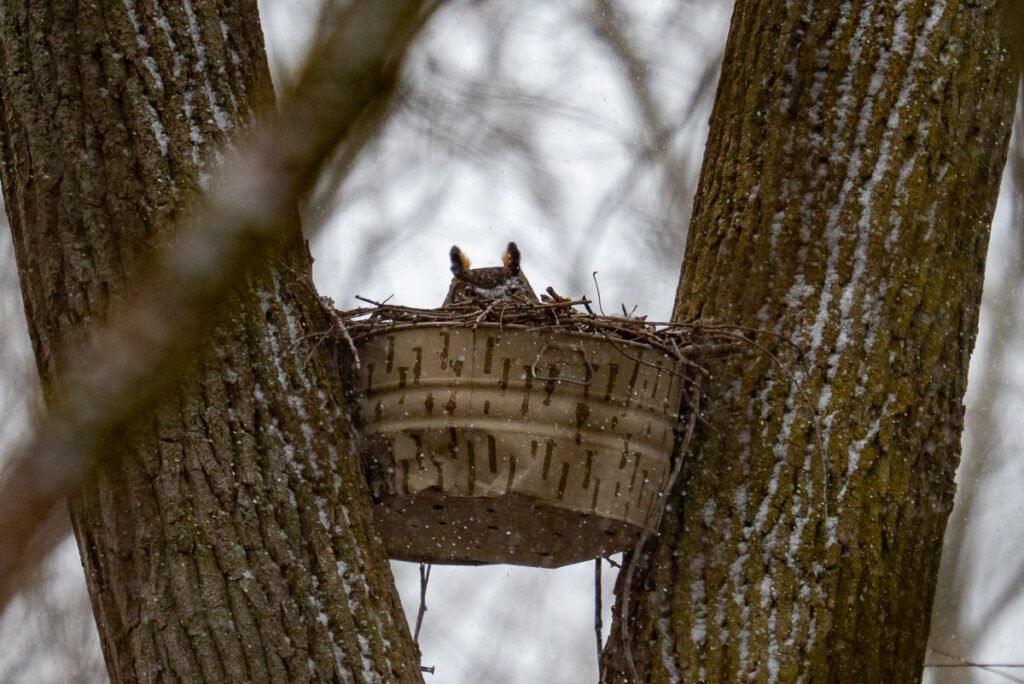
    One thing LSC MP was always known for was its breeding pair of Great Horned Owls. The past two seasons their breeding attempt was unfortunately not successful, and for the 2026 season with the ongoing construction,my doubts have been proven wrong, and the Owls did return to their bucket. You can find the owl-bucket by the south bridge of the main loop. As of January 2026, the access to that bridge is closed. Very rarely, Snowy Owls have been reported in the park; a bit more common is the sighting of Eastern Screech-Owls using the nesting boxes to roost.

    The Great Horned Owl in her Bucket at Lake St. Clair Metropark in Winter
    The Great Horned Owl in her Bucket

    Little extra tip: If you arrive early enough in the winter, walk the hike-bike trail towards Huron Point to see a beautiful sunrise on the lake.

    Sunrise over Lake St. Clair Metropark
    Sunrise as seen from the fishing pier at the bike-hike trail of the Lake St. Clair Metropark

    Einkehren at the Crocker Coffee House

    As already recommended in my Harley Ensign Memorial post, the Crocker Coffee House is the place to go for a quick warm-up after a cold day in the field. They are a combination of bookstore and coffee shop. Their interior is somewhat fancy and their coffee is really good. You can also get little snacks like cookies or bagels, if that is more what you are craving.

    On those cold winter days, you might also just want to cozy up at home with a warm soup. Check out our Avgolemono recipe for that occasion! 🥨🦉
    What do think about this first post of my series LSC Metropark through the seasons? I plan to publish one quick guide for each season plus some additional guides for the non-birding activities. Let me know what you think in the comments below!

    If you are looking for other birding hot spots checkout my Belle Isle Winter Guide or Kensington Winter Guide.

  • Birding Belle Isle in the Winter: A quick Guide

    Birding Belle Isle in the Winter: A quick Guide

    Belle Isle Winter Birding Quick Facts

    LocationAn Island on the Detroit River
    Entry FeeRecreation Passport required ($20 per vehicle at the park per year, $15 when renewing license plate tab)
    Target BirdsEagles, Kestrels, Waterfowl
    Best Time to VisitEarly mornings in the winter
    TerrainSeveral paved and unpaved hiking and biking trails
    FacilitiesPlenty of parking, limited open restrooms
    Recommended gearSpotting scope for waterfowl on the river, binculars, warm clothing
    Local bitesAtwater Brewery

    One of my favorite places in Detroit is Belle Isle. Every time someone out of State or even Country visits, I have to bring them there. I have seen the Isle throughout the seasons and made unforgettable memories year-round.

    Belle Isle is managed by the Michigan Department of Natural Resources (the Michigan DNR), which is why the Recreation Passport is required for entry. Before the state took over from the city of Detroit, the park was in a very desolate state. Since then, so many things have been changing for the better! Currently, the old Belle Isle Zoo is being demolished to make more space for wildlife and recreation, the bike path network is being expanded, and the fountain is being renovated.

    During the winter, Belle Isle becomes a very calm park. I still recommend arriving early, as that is when there are the fewest people and the wildlife is more likely to be out. If you are early enough, you can head to the northern tip and enjoy a beautiful sunrise.

    Schnitzelbirder Adventure of the Month


    Explore Kensingtons rich wildlife and huge network of trails in the winter. Scope waterfowl and find Sandhill Cranes

    Sandhill Crane at Kensingon Metropark in the Winter

    Scoping around Belle Isle

    The fountain in the southwest of the island offers great opportunities to find rare gulls or visiting waterfowl—as long as the pond in front of the fountain is not frozen. Earlier this winter, I scoped Lesser Scaups, Ruddy Ducks, Ring-necked Ducks, as well as plenty of Hooded Mergansers. There is usually a large flock of gulls on the west side of the pond. Sometimes, there are Lesser Black-backed Gulls, Bonaparte’s Gulls, or Iceland Gulls in the mix with the Herring and Ring-billed Gulls.

    Another tip is to simply drive around the outer loop and look out for larger flocks of birds. You can often find big groups of Swans, Canada Geese, Redheads, and Canvasbacks on the river. Without a scope, it might be tough to identify the individual species. From the beach area, you can scope the buildings on the other side of the river and sometimes see Peregrine Falcons perched on the ledges.

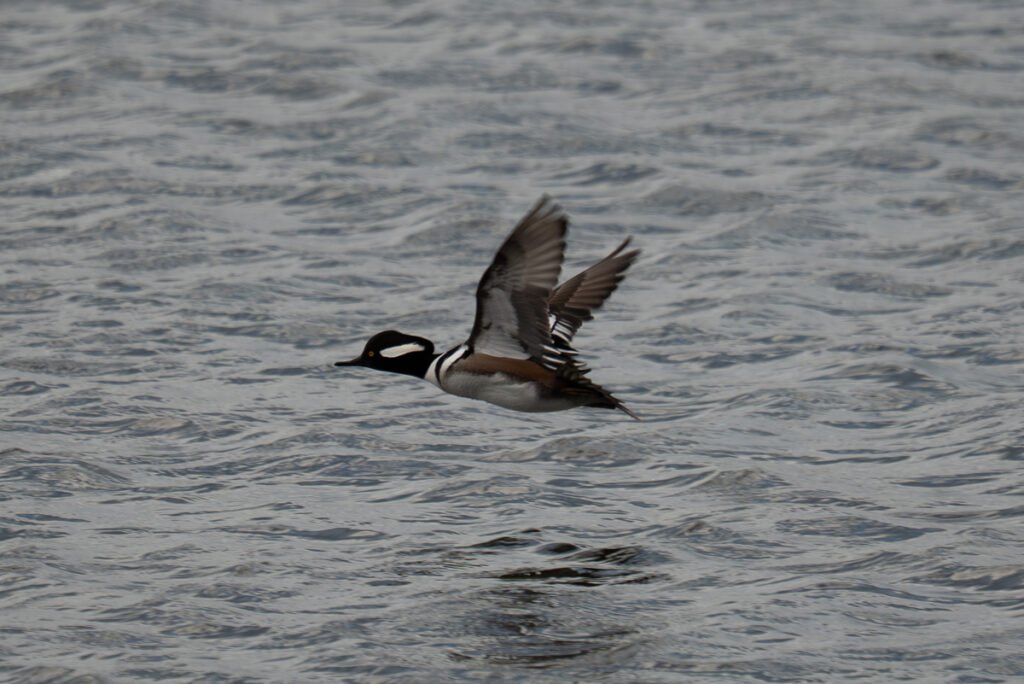
    Hooded Merganser in flight
    Hooded Merganser in flight
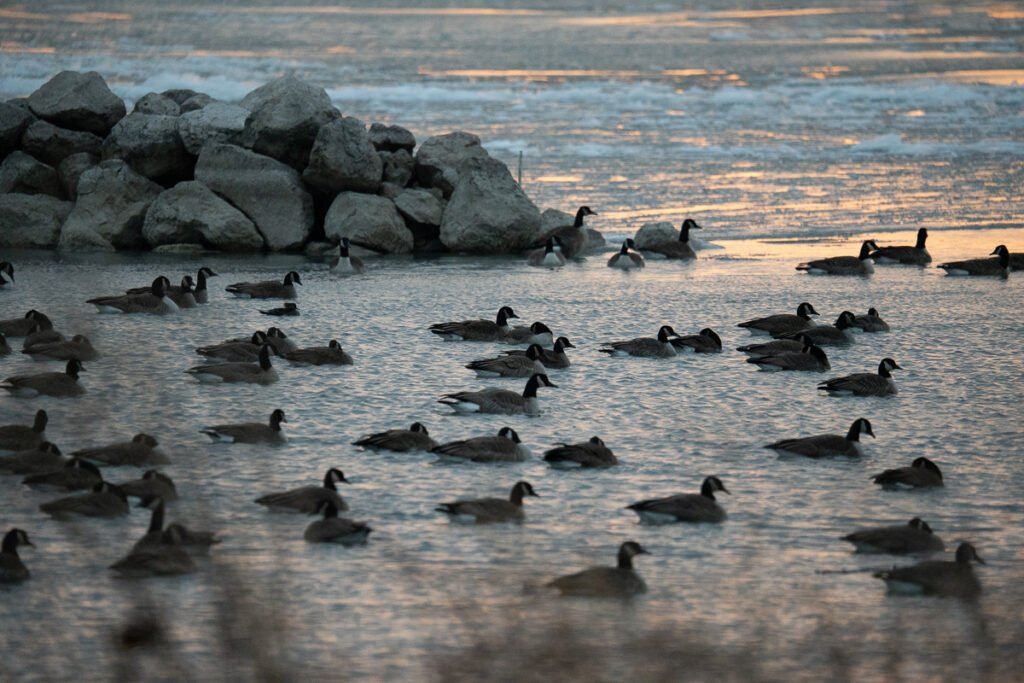
    Flock of Canada Geese on the frozen Detroit River at Belle Isle Park
    Gooses! (Canada Geese)

    Exploring the nature trails

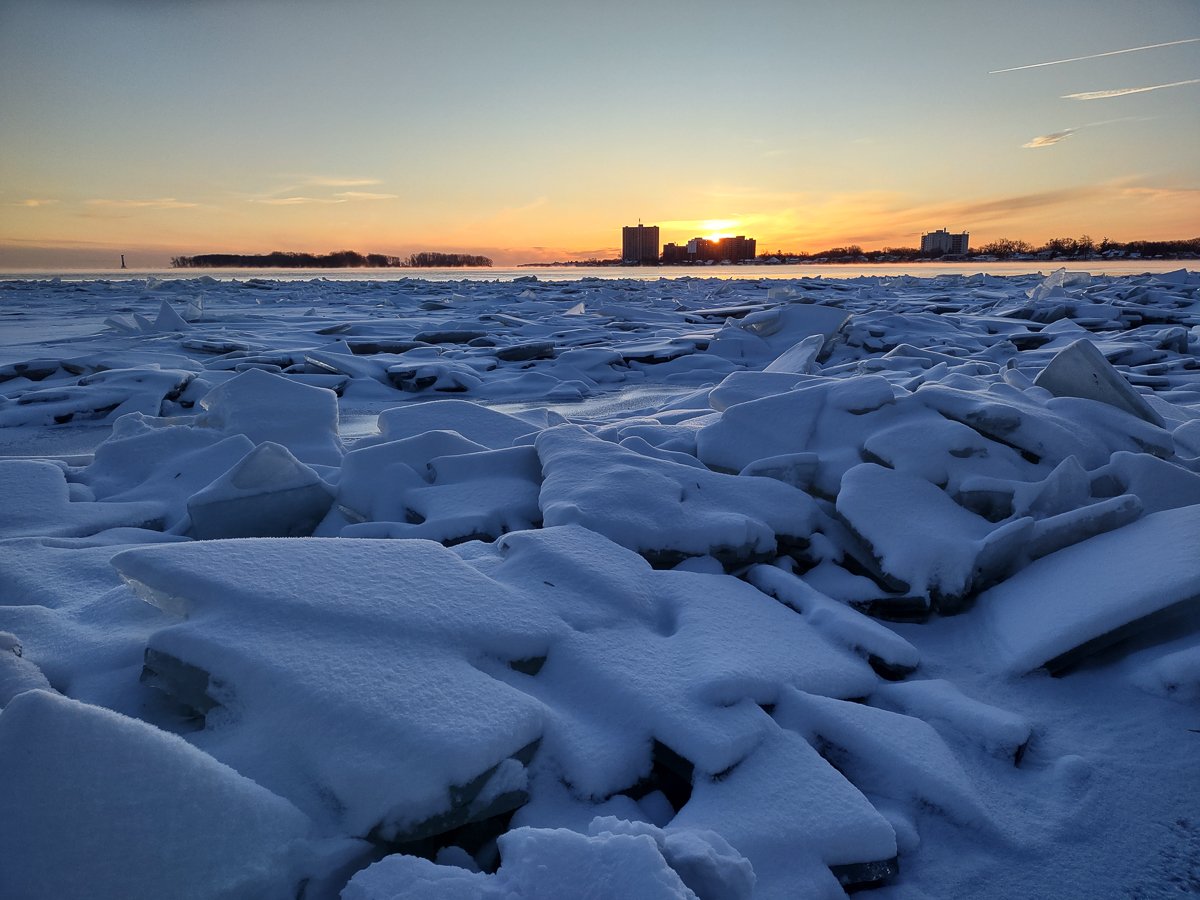
    In the northwestern part, Belle Isle offers several paved and unpaved hiking trails. One of them is the Ralph Wilson Gateway & Trail, a loop around a large wildflower meadow. In the winter, you can find foraging Snow Buntings and all sorts of raptors patrolling the area. When the river is frozen or partially frozen, it is definitely worth walking all the way to the tip to see the piled-up ice!

    From the Belle Isle Athletic Shelter, you can enter the central trails, which consist of a more-or-less well-marked system of paths. The main trail is paved and follows the creek. This area is not just great for birds; you can find beavers, deer, and coyotes as well. At the end of the trail, the chances of seeing Bald Eagles are quite high, as they like to perch in the trees near the woodside shelters.

    A Quick Bite and Local Beer at Atwater Brewery

    After a morning out in the cold, it is time to warm up for a bit. When visiting Belle Isle, we tend to do one of two things afterward. One option is to visit Eastern Market, which offers locally sourced fruits and vegetables. In the winter, we lean more toward the second option: visiting one of the Detroit breweries.

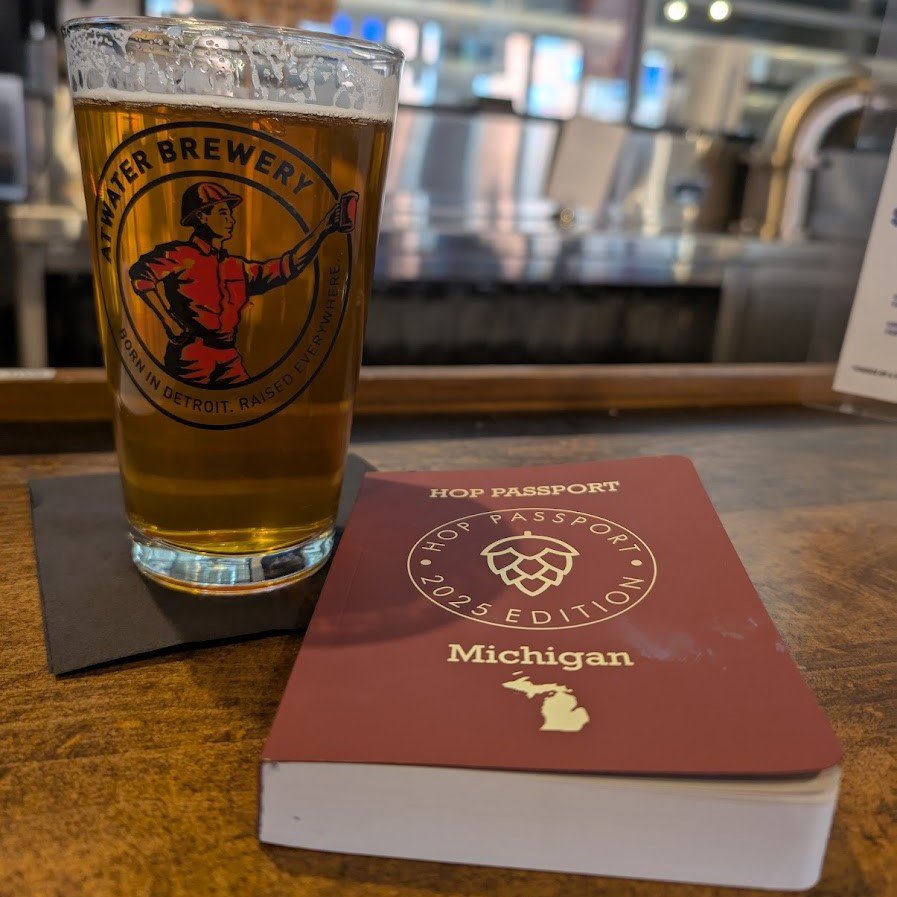
    In this case, it’s the Atwater Brewery, which is just a five-minute drive once you cross the bridge. Atwater is the largest Detroit-based brewery, and the Rivertown Detroit Tap House offers a wide variety of craft beers and American food.

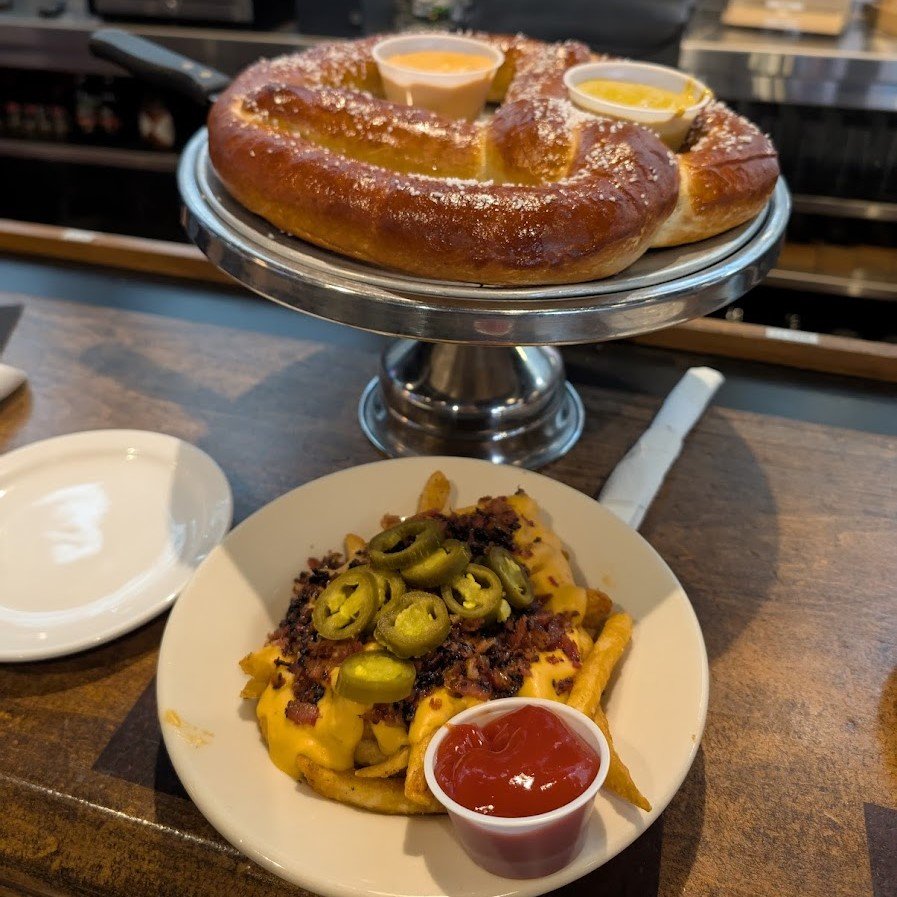
    I recommend their “BIG OL’ PRETZEL” (yes, I know, it is not really a pretzel from a German perspective!) as well as the loaded fries. As a beer to accompany my meal, the Pog’o’licious IPA is my go-to. If you would rather have something lighter, you should try their famous Dirty Blonde.

    I appreciate you reading until here. If you liked this little guide, just leave a comment below and make sure to subscribe to my newsletter (I will not annoy you, I promise!). I am planning to expand this Belle Isle series to a year-round guide. So stay tuned!

    Until then you can read my birding report for Pte. Mouillee SGA or maybe have a look in my recipe book! Planning to go to Lake St Clair Metropark? Find my guide here!

  • Summer Shorebirds: A Trip to Pointe Mouillee State Game Area

    Summer Shorebirds: A Trip to Pointe Mouillee State Game Area

    Pointe Mouillee Quick facts

    LocationDownriver at the Lake Erie coastline
    Entry FeeNone
    Target BirdsShorebirds (Black-necked Stilts), Waterfowl, Spring Migration visitors
    Best Time to VisitEarly mornings in the summer! Wild life refuge is closed September through December
    TerrainFlat travel walking trails
    FacilitiesLimited parking, portable toilets (not guaranteed)
    Bite recommendationJPs Waterfront in Gibraltar

    The Pointe Mouillee State Game Area is very well known for its waterfowl hunting—as the name suggests. We went there to hunt waterfowl as well, but in a different way. Instead of hunting rifles, we used cameras to “shoot” our subjects. Instead of spotting scopes… well, we actually buy our spotting scopes at the exact same places the hunters do!

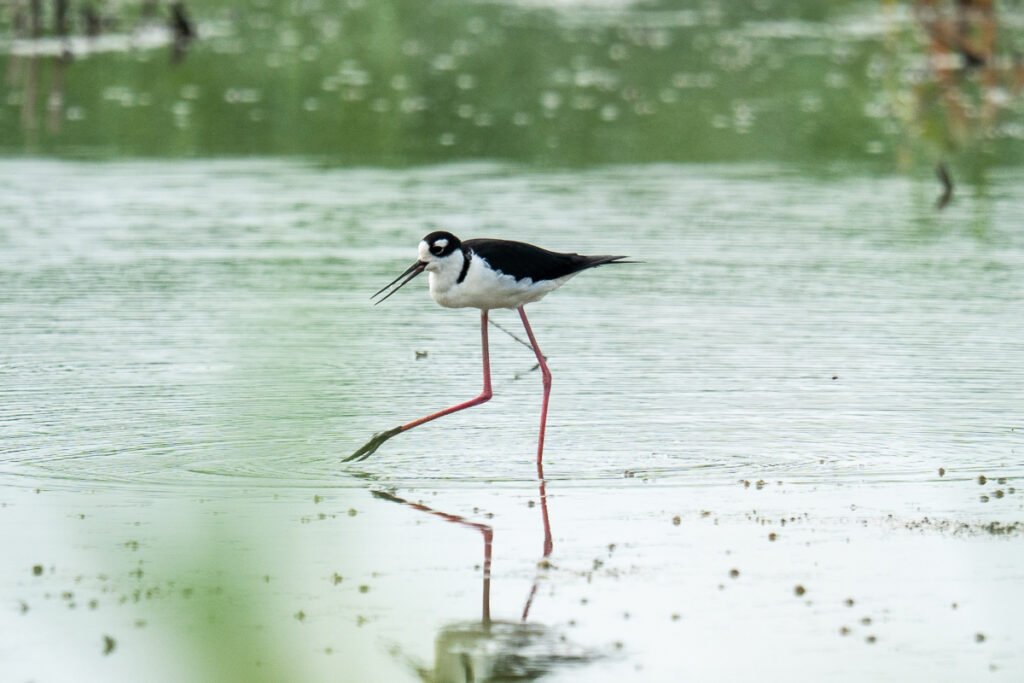
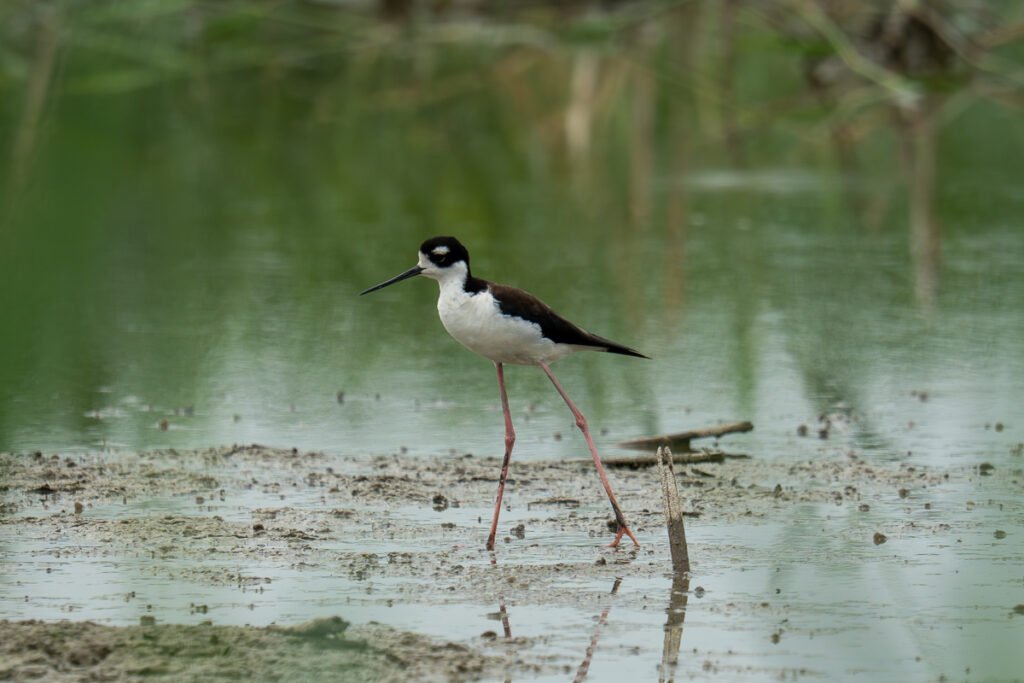
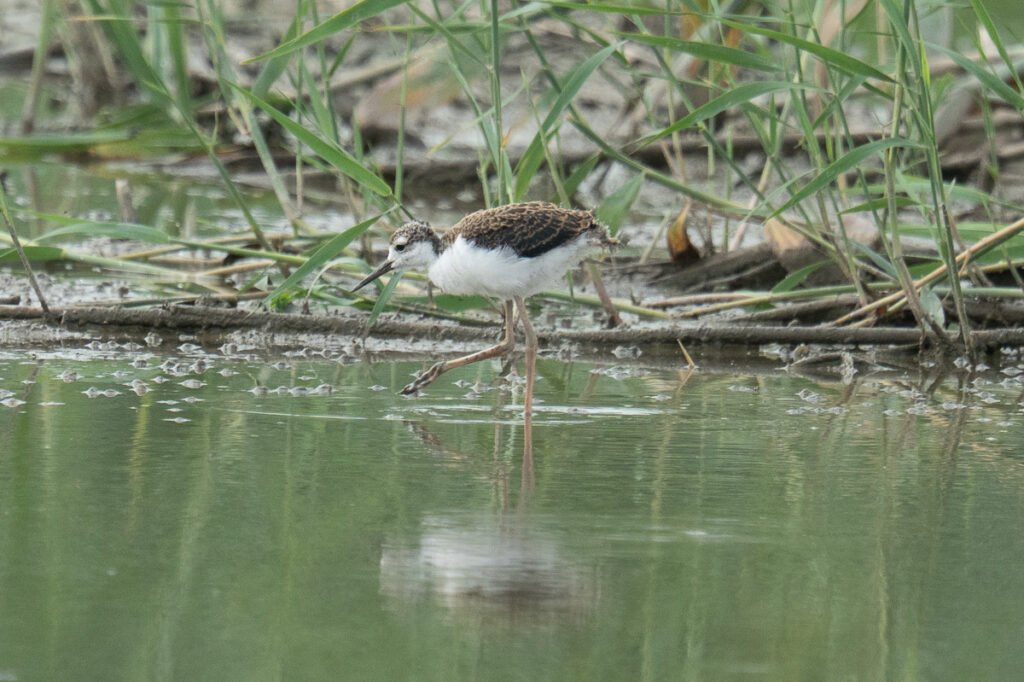
    Last year, at the end of July, Patrick and I went there to look for Black-necked Stilts. A Black-necked Stilt is a quite uncommon sight for Michigan’s marshes, but over the past few years, a breeding population has established itself there..

    Black-necked stilt
    Black-necked stilt

    Survival Tips for the Marsh

    When we arrived early in the morning, the sun was already shining mercilessly upon us. There is not a whole lot of shade at “Pte. Mouillee,” so don’t forget to bring proper sun protection and plenty of water. Generally, I also recommend bringing a bicycle; the dikes and walkways stretch quite far into the lake.

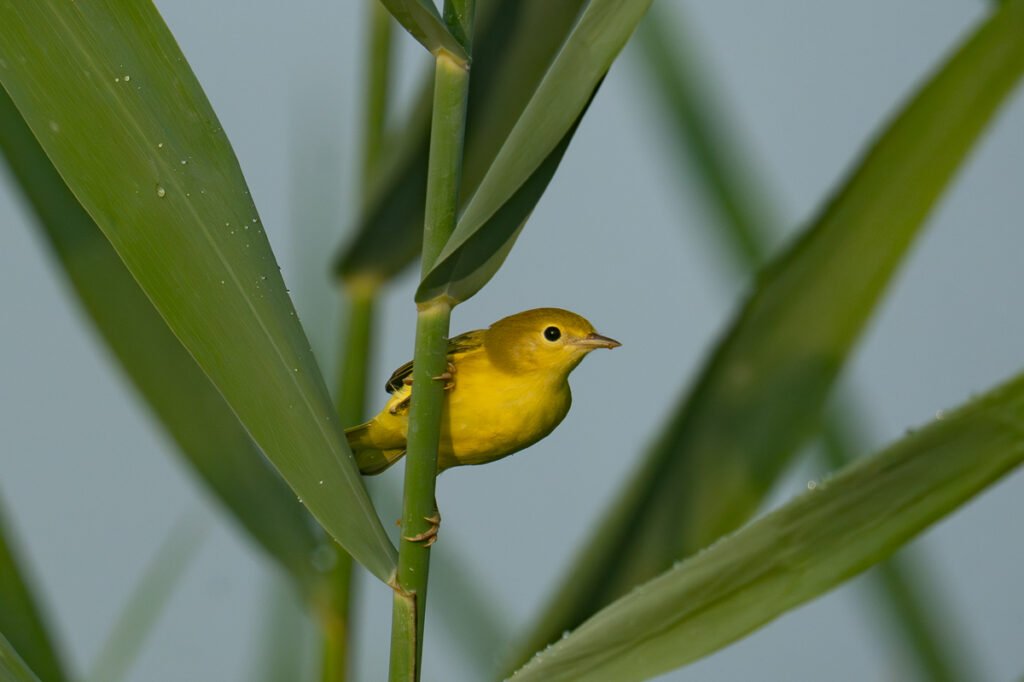
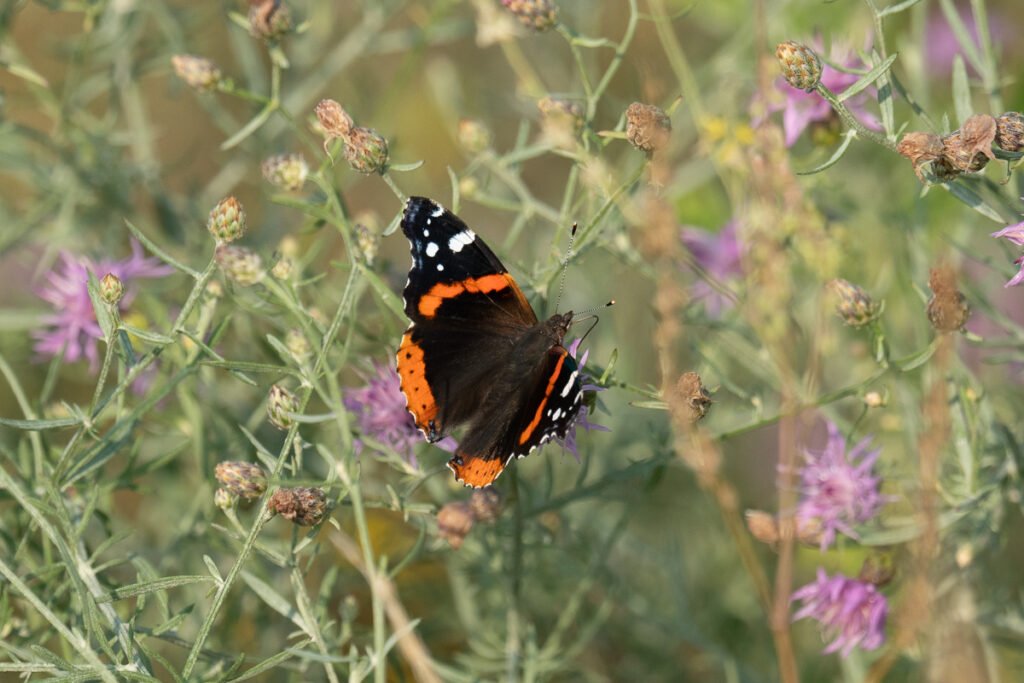
    The wildlife refuge area of Pointe Mouillee is never a quiet place. You will hear and see birds, butterflies, and other insects right from the start. From the parking lot, I already spotted several gulls, orioles, waterfowl, and this little Yellow Warbler:

    Yellow Warbler
    Yellow Warbler

    Finding the target: black-necked stilt.

    Further into the refuge, we found all kinds of shorebirds: Greater and Lesser Yellowlegs, Spotted, Solitary, and Least Sandpipers, and a Semipalmated Plover. But our target species was still out of sight.

    Not knowing exactly what to look for to find the stilts, the stilts eventually found us. When feeling threatened, the breeding stilts cause a ruckus, circling you and “calling you out.” Unfortunately, we were both not quick enough to capture the stilt in flight, but at least we knew we were on the right track.

    A few feet further, we could peak through an opening in the reeds, and there they were: several adult and juvenile birds. It felt very rewarding to watch the birds simply “doing bird stuff.” We snapped a few pictures and started our way back. Here are some of my favorite shots:

    In total, I documented 42 different species. You can find my full eBird checklist here.

    First Birds then Bites: JP’s Waterfront

    For our earned reward, we went to JP’s Waterfront in Gibraltar. It is located just by the water and the perfect location for a hot summer day. Patrick had the Fish Tacos, which where not worth eating in full. Myself, I had a burger with bacon. Overall a good place for some grub. Having food by the water always feels special.

    Burger with fries
    Burger with fries

    This was my second birding trip post. How do you like them so far? I appreciate any feedback! If you are interested in other birding reports, you can find our Snowy Owl hunt here.

  • On the not-so-successful hunt for Snowy Owls in the cold of Southeast Michigan

    On the not-so-successful hunt for Snowy Owls in the cold of Southeast Michigan

    Harley Ensign Memorial Quick facts

    LocationNorth of Lake St. Clair Metropark
    Entry FeeNone
    Target BirdsSnowy Owls, Waterfowl
    Best Time to VisitEarly mornings in the winter
    TerrainFlat 1 mi gravel loop
    FacilitiesPlenty of parking
    Bite recommendationCrocker Coffee House – 5 mins away

    This is my first birding trip report, so please cut me some slack!

    Trying our luck at the boat launch

    It is the 4th of January in the year 2026. It is quite cold out there, and there is snow. By quite cold, I mean around 20° F. Perfect day to go for the hunt for Snowy Owls. From my research, I found out that the Snowy Owls are going to be coming south any moment and on eBird, there are already a lot of sightings, but mostly north of us.

    Nevertheless, we wanted to try our luck. “We” is my good friend Patrick and myself.

    A good spot for spotting Snowy Owls in Southeast Michigan is the Harley Ensign Memorial near the Lake St. Clair Metropark. Last winter there were nearly daily sightings from early December to mid-January. This year? None at all.

    To keep you from waiting for the big reveal: I tricked you! We went out there to see Snowy Owls, but were again disappointed. But there was some positive in this outing:

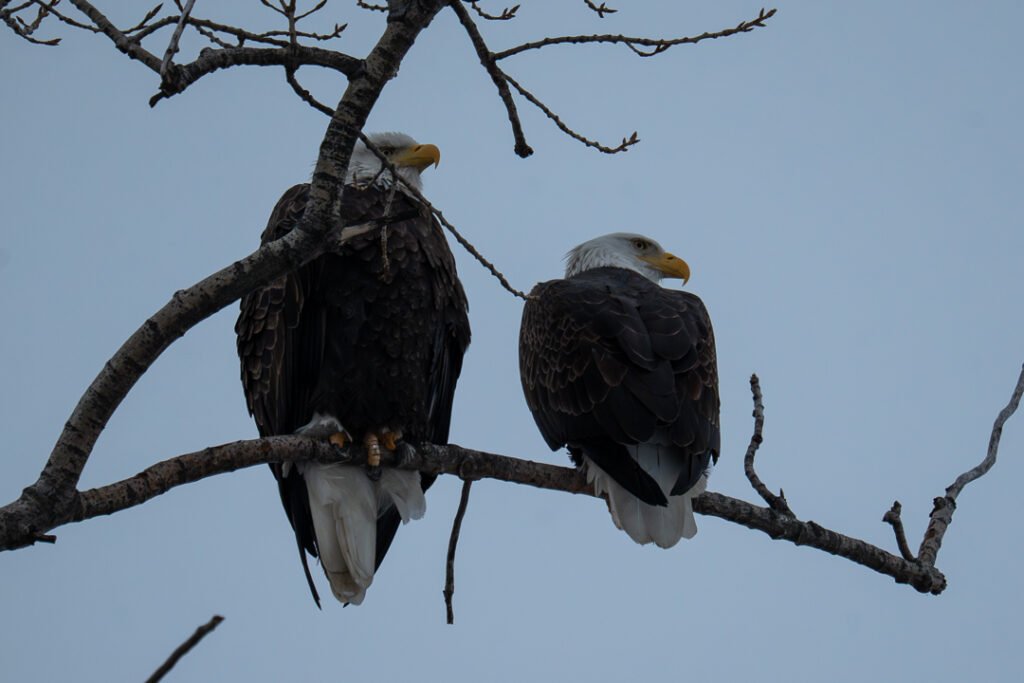
    • We saw a couple of Bald Eagles hanging out just by the boat launch.
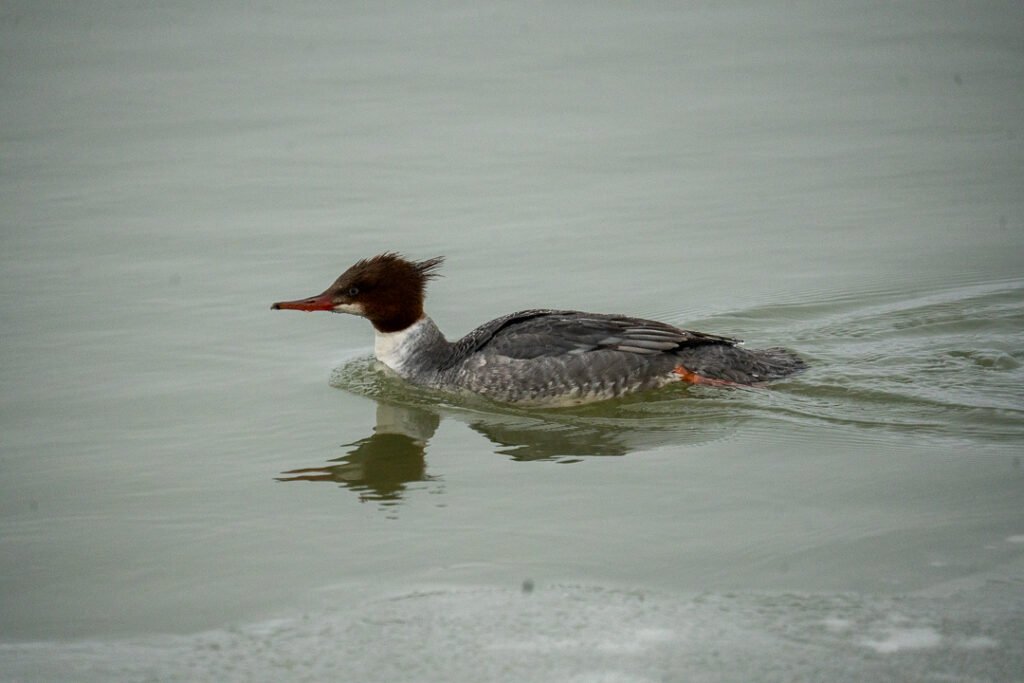
    • All the waterfowl! From Mergansers and Buffleheads, to Ring-Necked Ducks and Canvasback Ducks.
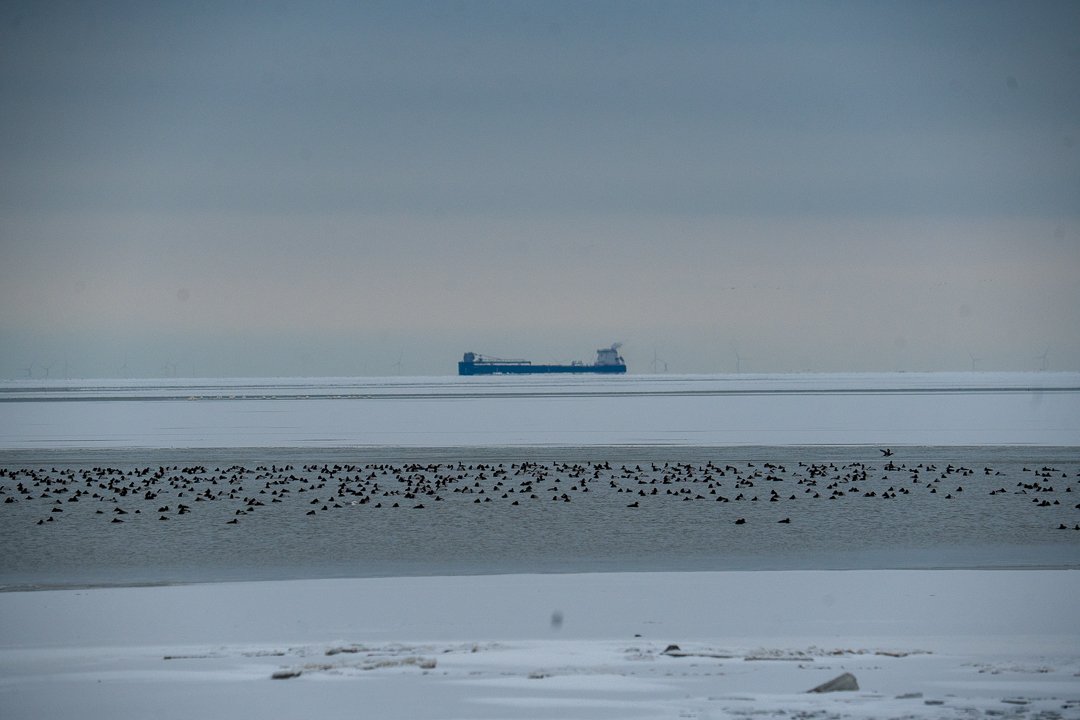
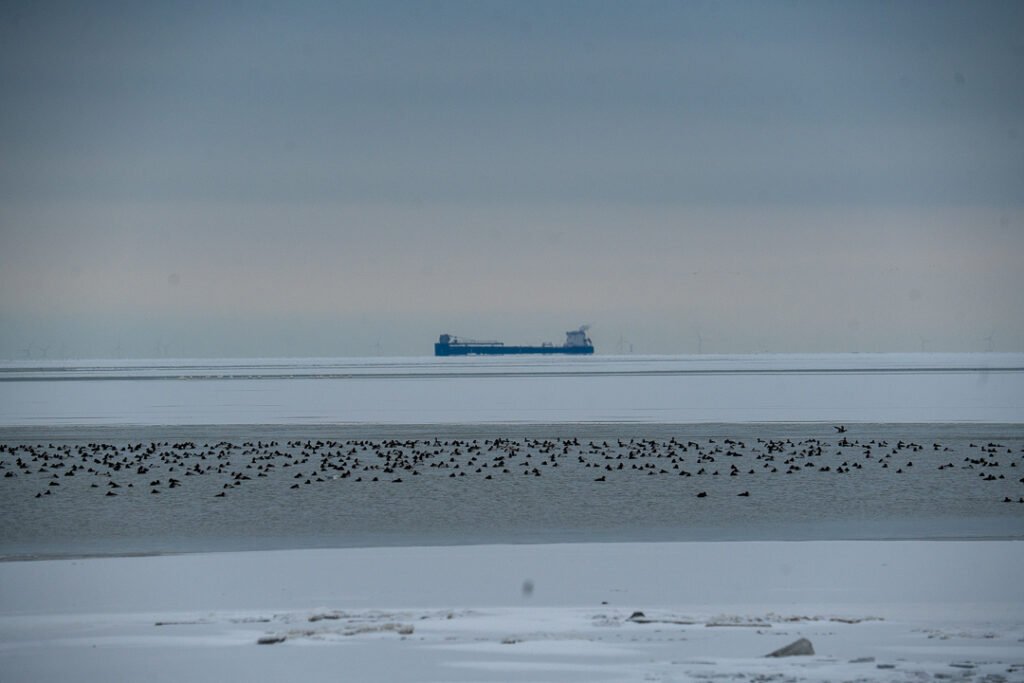
    • I snapped a really nice picture of a freighter with lots of ducks in the foreground.

    You can find my ebird checklist here.

    Maybe more luck in the Lake St. Clair Metropark?

    When you decide to follow me, you will hear a lot about the Lake St. Clair Metropark (short: LSC). I went there a lot of times and I would say it is one of my favorite parks in the metro area. You can find many different species of birds and other animals here. The trails are well maintained and there are a lot of things offered for the non-birder like 3-par golf, a beach area, lots of picnic tables and much more.

    Currently, there is a lot of construction in the nature area of the park and they finally are repairing one of the bridges (rebuilding is a better word). The winter months are a rough time for birding. We could still ID 21 different species. The one that got away was a Winter Wren. We learned that a Winter Wren has a nearly identical call as a Song Sparrow. Below are some of my favorite pictures from LSC:

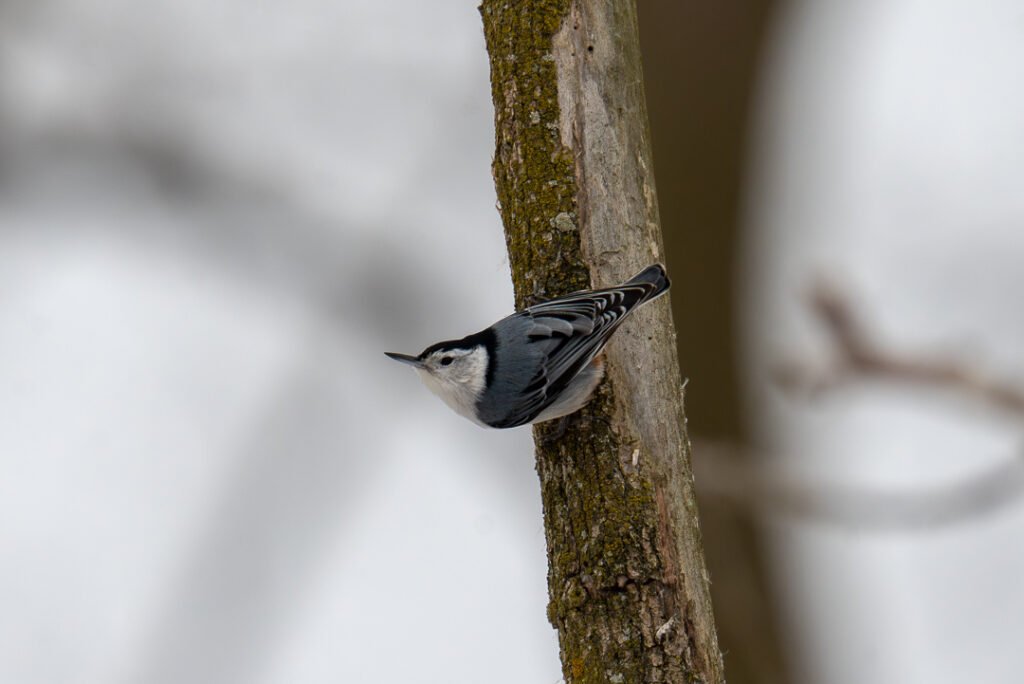
    White-breasted Nuthatch
    White-breasted Nuthatch
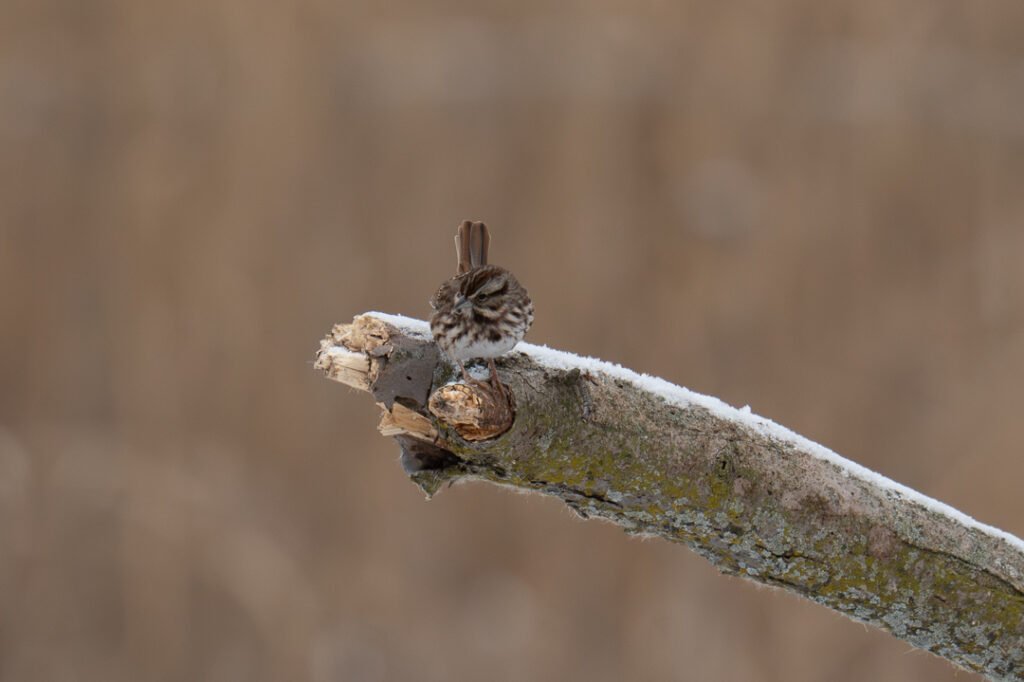
    Song Sparrow
    Song Sparrow
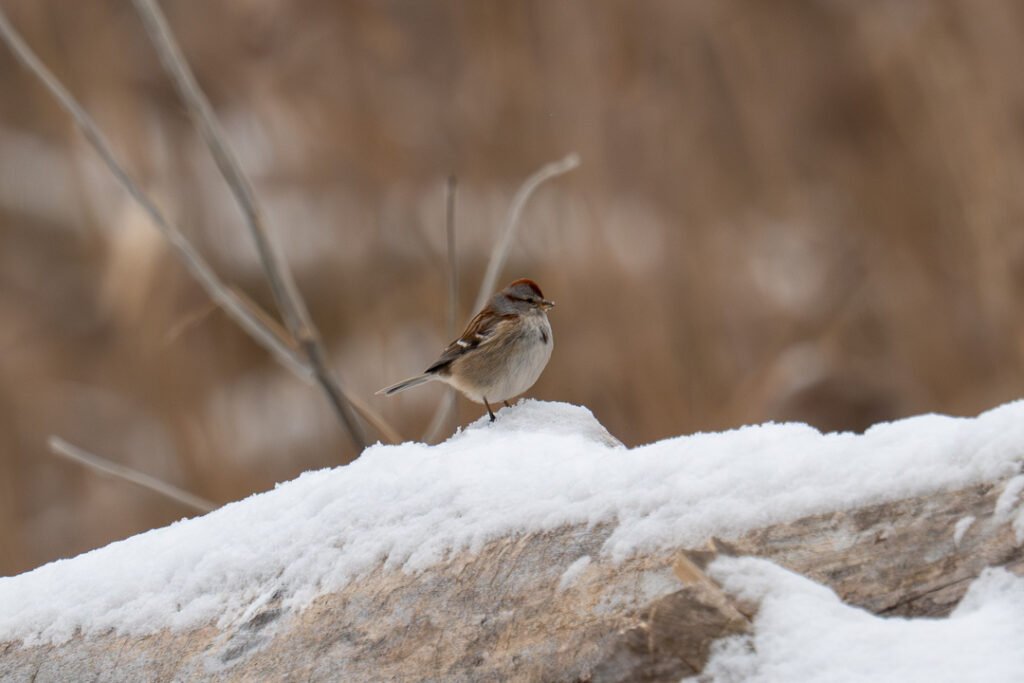
    American Tree Sparrow
    American Tree Sparrow

    You can find my checklist from LSC here. A more detailed guide for the LSC MP in the winter you can find here: Lake St. Clair Metropark in the Winter: a quick guide for birders.

    Now What? Warming up with a hot drink at Crockers.

    After such an outing in the cold, I recommend a hot drink. Therefore, we went to the Crocker Coffee House just 5 minutes from the Metropark.

    I believe this is a quite new place. They are a combination of bookstore and coffee shop. They have a somewhat fancy interior and really good coffee. Exactly what we needed!

    The Bookstore Section of Crocker Coffee House
    The Bookstore Section of Crocker Coffee House

    How is your hunt for Snowy Owls going? Leave a comment below!