
This is a bonus part of LSC Metropark through the seasons: Winter | Early Spring | Spring | Summer | Fall
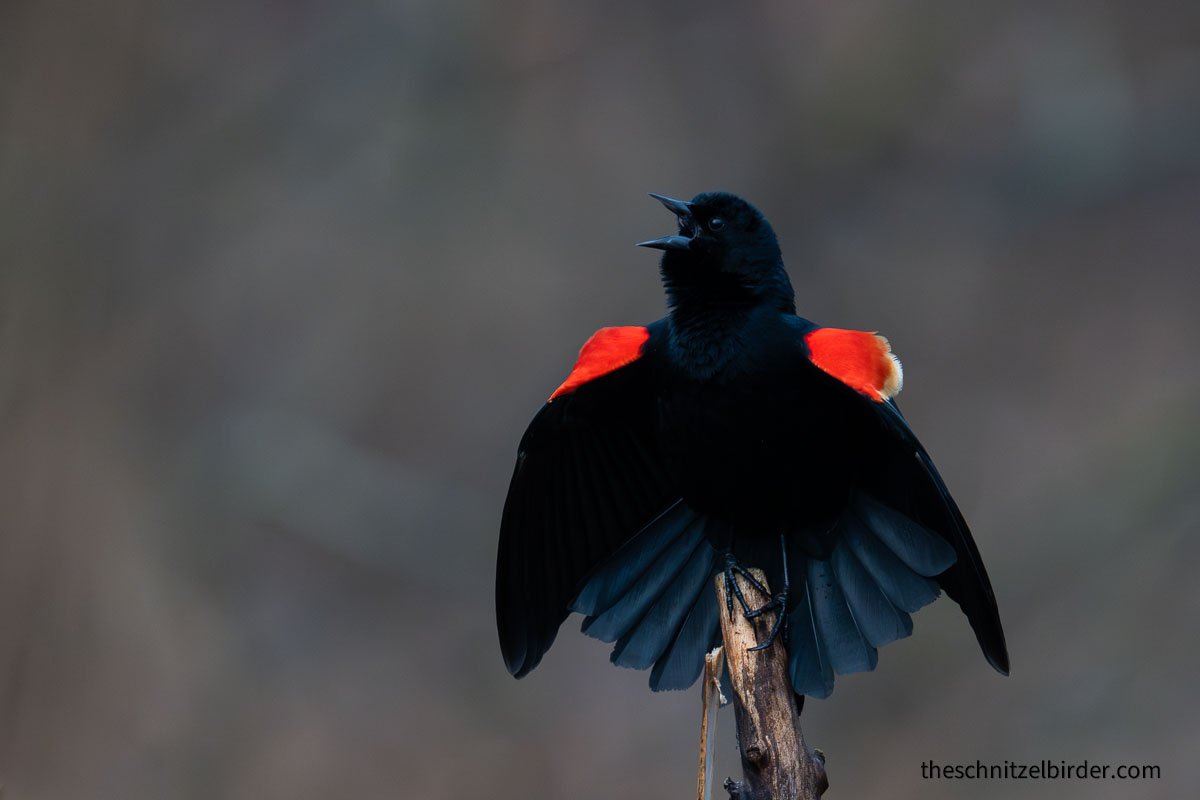
Spring is in the air! Mid-to-late February is when the “Metrobeach” vibe starts to change, and my favorite Michigan bird, the Red-winged Blackbird, is back—the true harbinger of spring.
The Harbingers: Red-winged Blackbirds and the ‘Robin Myth’
Back in the day—before I was even aware of the blackbirds—American Robins were considered the first signs of spring. However, with milder winters and reduced food scarcity due to the targeted planting of berry bushes, most Robins now stay in our suburban areas and parks year-round.
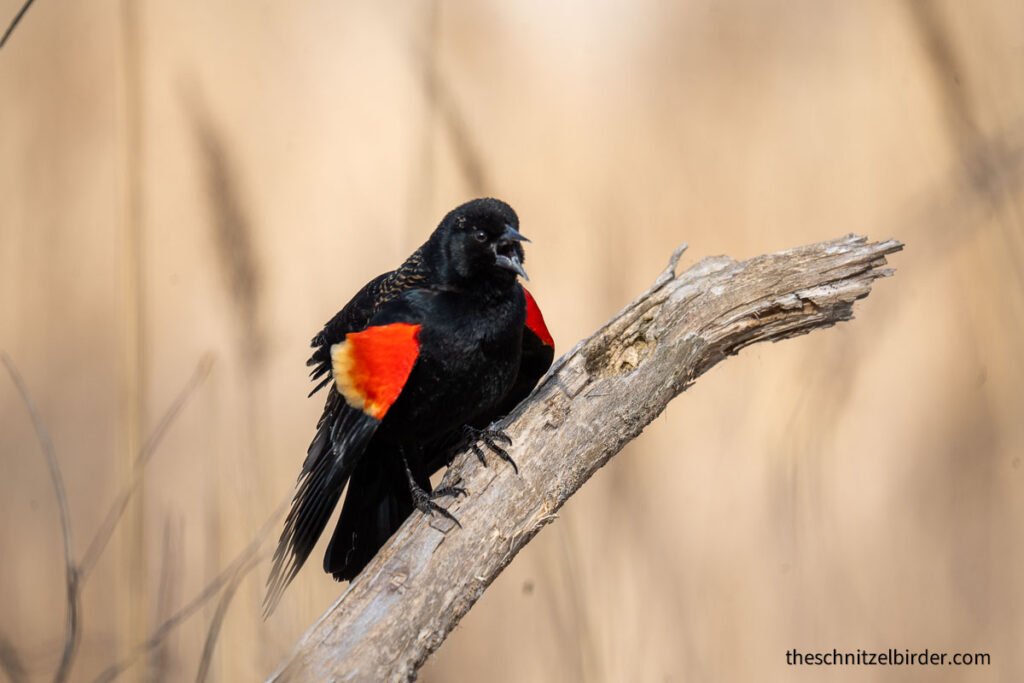
It is the male Red-winged Blackbirds (RWBB) who arrive first. They come early to mark their territories with their shrill calls and songs. Lake St. Clair Metropark is prime breeding ground for them with its abundance of reeds and swampland. Only later will the females arrive to pick their mates for the season. I really love their bright red wings, and I also love to take pictures of them mid-call! At the park, they often sit on the reeds only a few feet away from you. The best areas to see them up close are the Marsh Boardwalk and the connector of the Main Trail. I am yet to take a photo where you can see the condensation of their breath, but if I ever succeed, you will find it here!
At the same time or slightly later, the Common Grackles arrive. Together with the RWBBs, they will take over the feeders at the Nature Center and sing their “beautiful” songs.
Adventure of the Month
Follow me on my quest of finding the most authentic Döner in the Detroit Metro. Only one way to find out if I was succesful

Look Up! Finding Wood Ducks in the Canopy
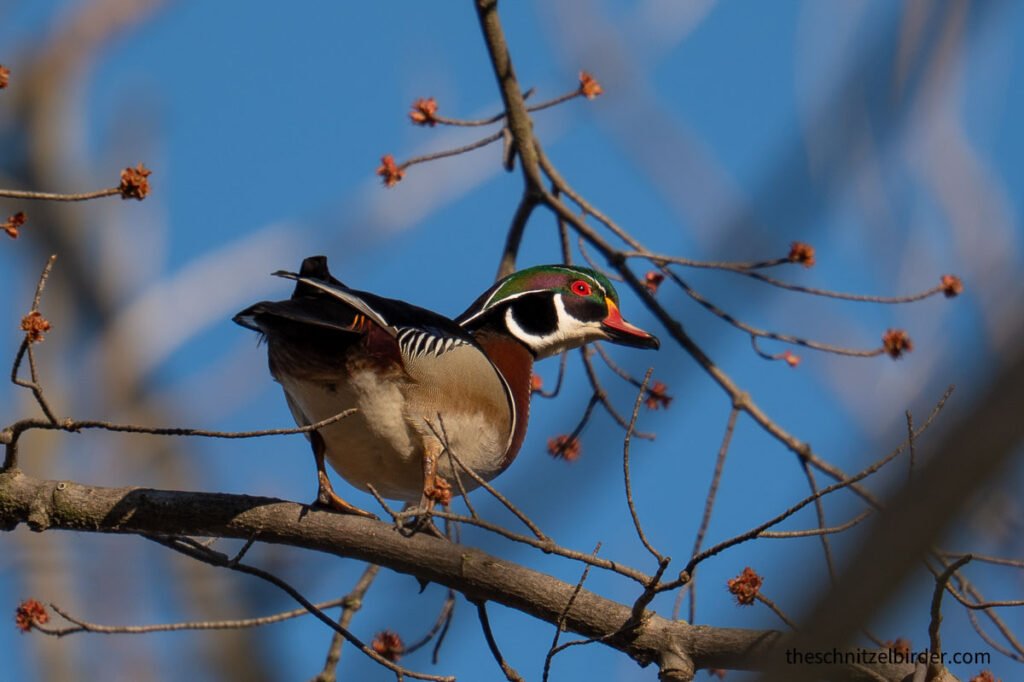
While there is still a lot of fancy duck activity in late winter and early spring, you can also witness the return of the Wood Ducks. At this time of the year, they are often high up in the trees, likely to get a better view of their potential mates. Early spring is the best chance to see the male Wood Ducks, as they leave the females as soon as their breeding duty is done. Your best chance to see them in the trees is at the connector of the Main Trail.
The 2026 Nesting Report: Owls, Eagles, and the ‘Owl Bucket’
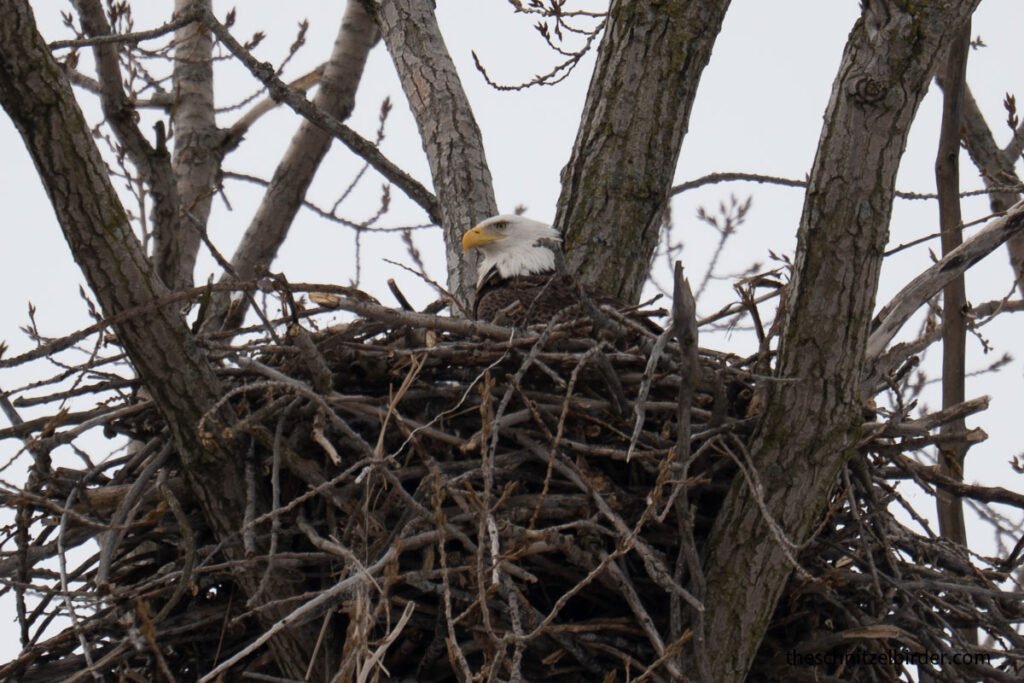
The good news for 2026 is that the “Owl Bucket” is occupied again! Our Great Horned Owl friends are back with another breeding attempt. In 2024 and 2025, their attempts were unfortunately unsuccessful. Fingers crossed that this will be their year and they can defy the odds! The Bald Eagles are also nesting again in 2026, adding to the excitement.
The Noisy Neighbors: Killdeer in the Picnic Flats
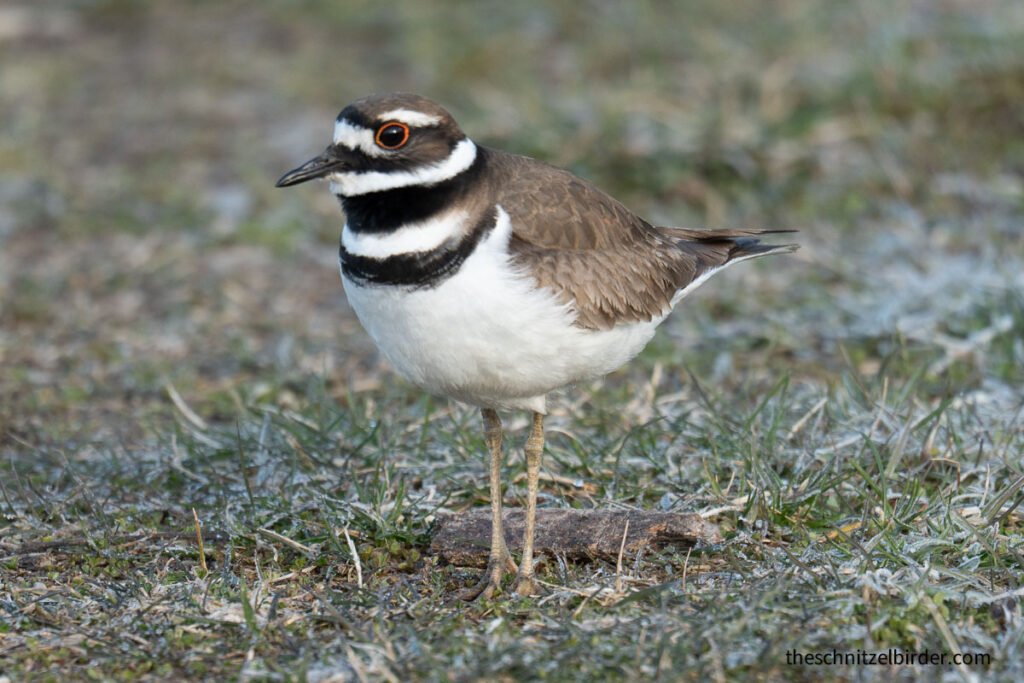
Next to the Robins on the lawns, you might also notice a few little “sad-looking” birds. When you get too close to them, they will fly away and definitely let you know that they are upset! I am speaking, of course, of the Killdeer. It is early in the breeding season now, but later on, they might not fly away; instead, they may fake an injury to distract your attention away from their nests on the ground.
Colony Life: Double-crested Cormorants at North Marina
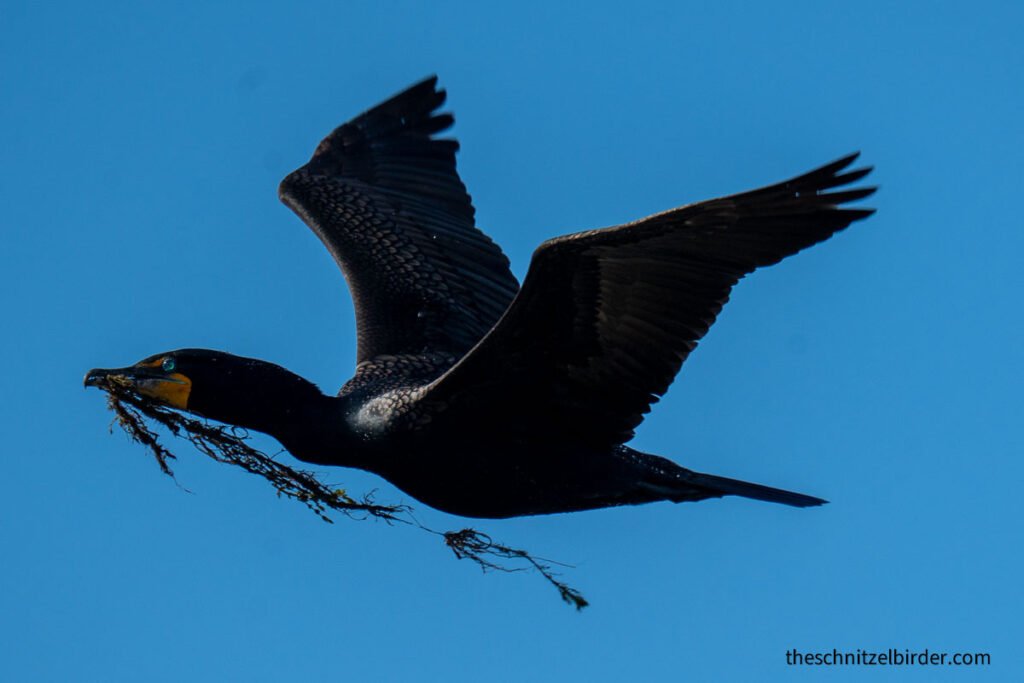
Last but not least: the Double-crested Cormorants. Lake St. Clair Metropark houses a colony of around 600 to 700 breeding pairs each summer (plus one Neotropic Cormorant with a bit of an identity crisis!). They arrive in late March, and you should definitely head over to the North Marina to watch them build their nests and fight for the best branches.
Warm Up After the Walk: A Birders’ Comfort Menu
With spring and eventually summer right around the corner, we must enjoy our cold-season comfort food while it lasts. There is nothing better to warm up with after a day of birding than some homemade Avgolemono Soup or some hearty Goulash.
How did you like my little spring teaser? What early arrivals did you see at Lake St. Clair Metropark or even in your own backyard? Let me know in the comments below! 🥨🦉
Explore more: Recipe of the month
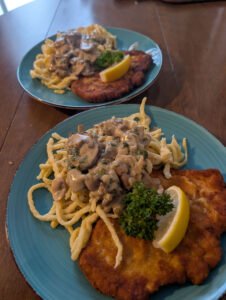
The Schnitzel Trifecta: Schnitzel with Spätzle and creamy mushroom gravy!
Leave a Reply