
Kensington Metropark through the seasons: Winter birding guide.
Kensington Metropark Winter Quick Facts
| Location | Kensington Metropark |
| Entry Fee | $10 daily fee, $40 year pass for residents of Livingston, Macomb, Oakland, Washtenaw, and Wayne county, $45 for everybody else |
| Park Hours | 6 a.m. – 10 p.m |
| Target Birds | Waterfowl, Gulls, Pileated Woodpecker, Sandhill Cranes, Wild Turkeys |
| Best Time to Visit | Early mornings in the winter |
| Terrain | Several up to 2 mi gravel nature trail loops, 12 miles of hike-bike trails |
| Facilities | Plenty of parking, nature center with animal exhibition (opens 10 am), heated restrooms |
| Bite recommendation | Witch’s Hat |
Kensington Metropark is located north of I-96 between Novi and Brighton. With 4,481 acres, it is one of the bigger (if not the biggest) Metroparks. A lot of its surface area is covered by woodlands and the big Kent Lake. For me, Kensington has some additional significance: It was the first park I went to with my now-fiancée.
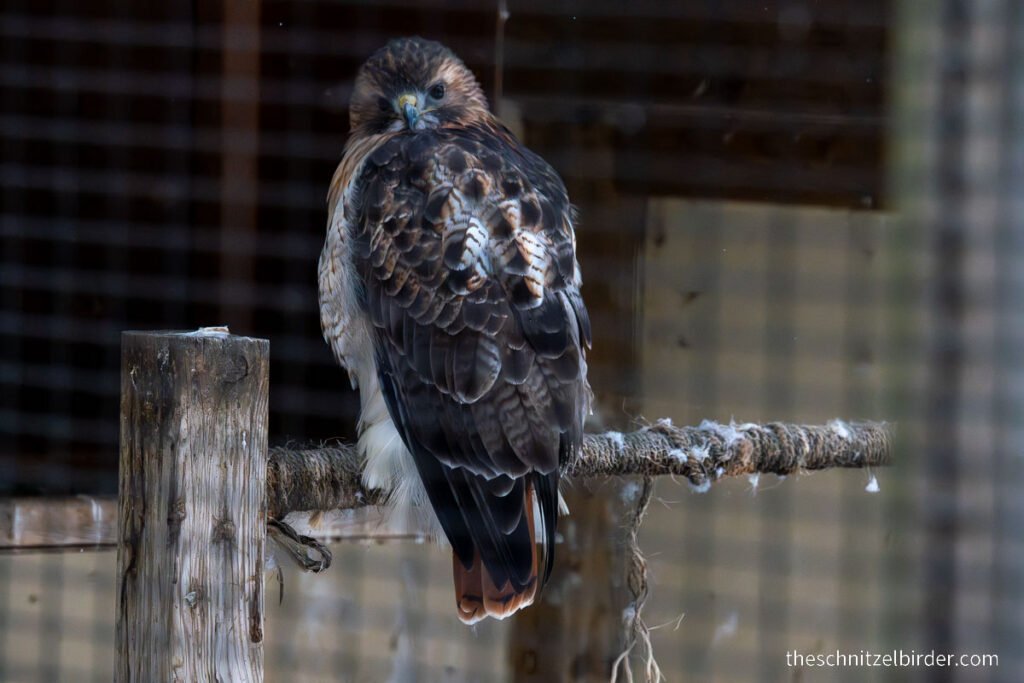
To many people, Kensington in the winter means cross-country skiing, toboggan riding, or ice fishing. For me, it means hiking the nature trails, scoping the lake for waterfowl, and visiting Ranger, the resident Red-tailed Hawk, after warming up in the Nature Center.
The Nature Trails
The Nature Center usually is one of the stops during my visits. It is the trailhead for four different interconnected loops through the forest. The terrain is quite hilly, and in the winter, it is not cleared of snow. This is not a problem when the snow is fresh, but it can become one once the snow is compressed into an icy trail.
Like every other place, Kensington is more calm in the winter. But what you will definitely find are hungry birds. The Metroparks were, until recently, encouraging hand-feeding the birds. This led to an unnaturally high population of Black-capped Chickadees, Tufted Titmice, and Mourning Doves. I, myself, am not free of guilt: I did feed them before, but I will follow the directions of the park in the future.
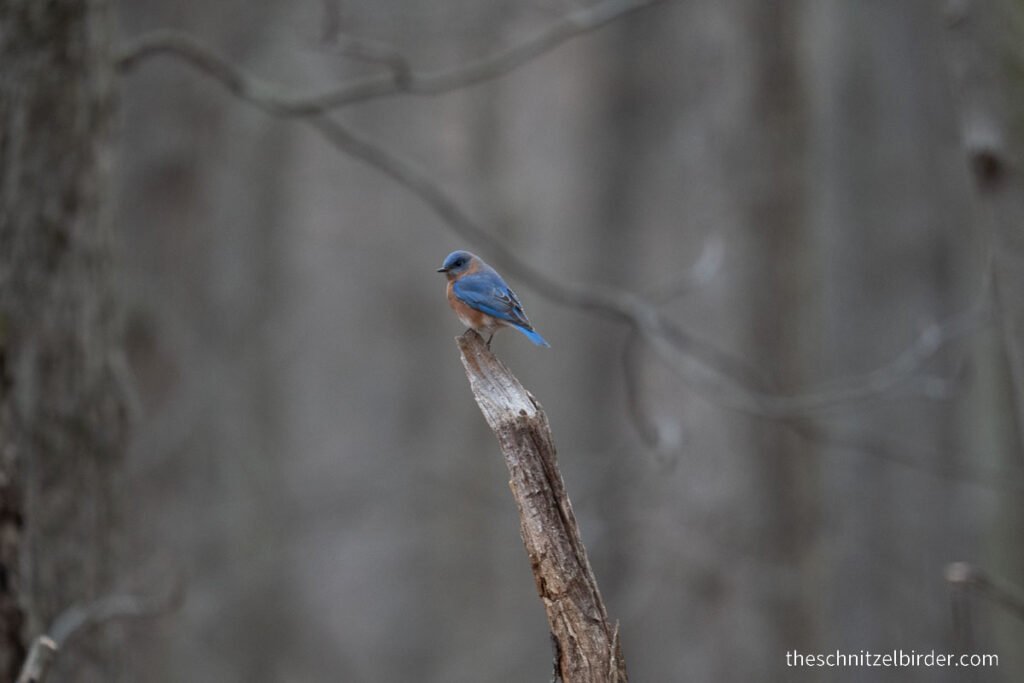
The woods around the nature trails are the perfect place to find Eastern Bluebirds and Pileated Woodpeckers. On my first trip to Kensington a couple of years ago, I did in fact see my first-ever Pileated Woodpecker.
More Wildlife encounters in Kensington!
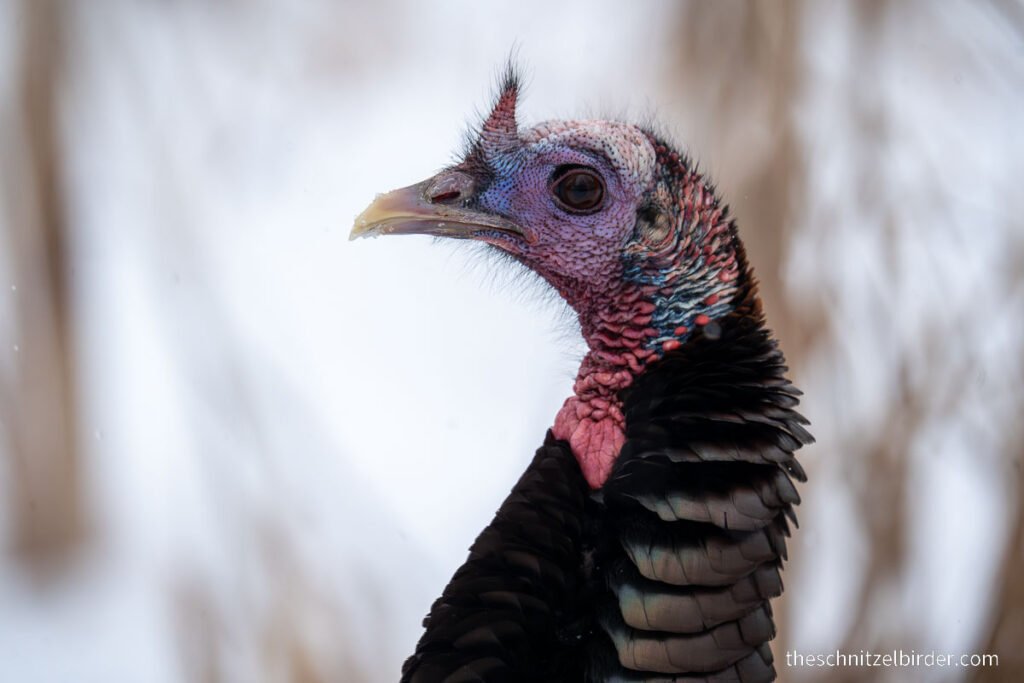
Another typical find on the nature trails are the Wild Turkeys. But be cautious! They do like to come close, especially when they see you feeding other birds.
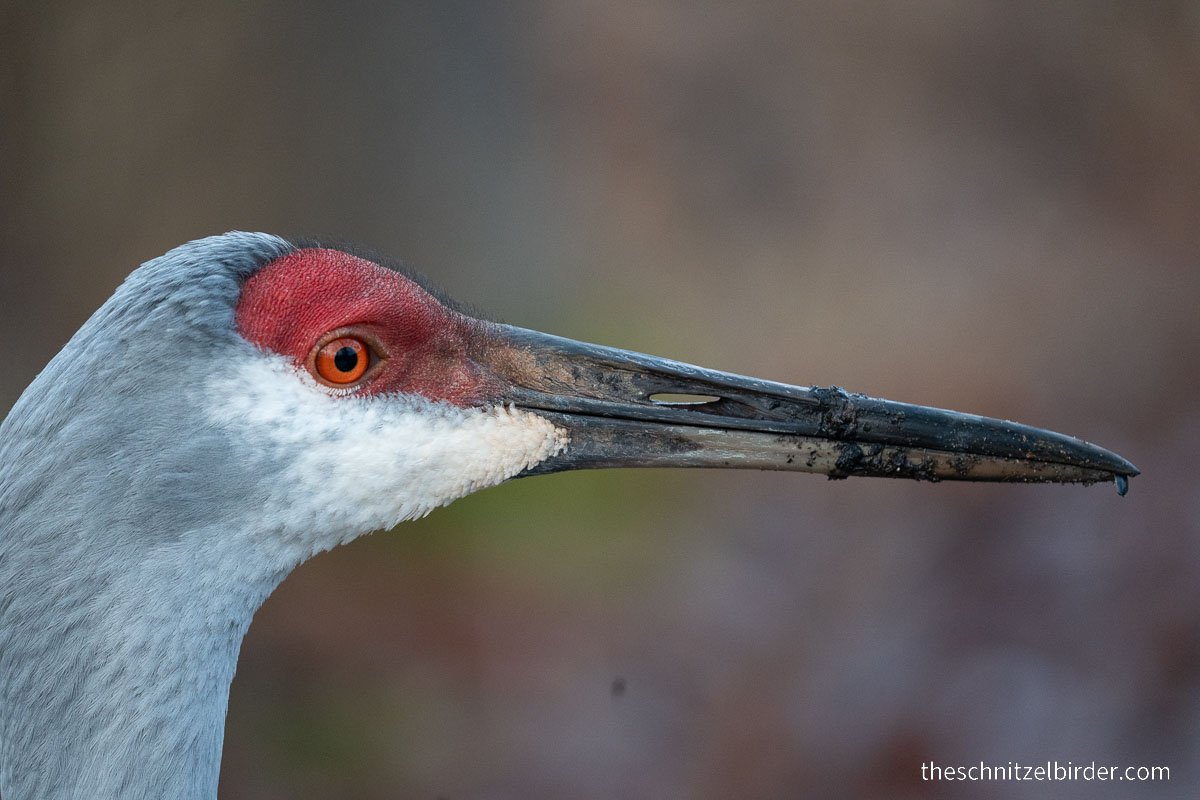
The other highlight are the Sandhill Cranes. While most of Michigan’s Sandhill Cranes migrate south through the eastern flyway in fall, at least a dozen will winter in the Metropark. They are used to being close to humans and therefore make a good photo subject.
Scoping Kent Lake
In normal winters, when Kent Lake is not always fully covered in ice, it offers a great opportunity to scope for waterfowl. Here are my favorite spots to check:
- East Boat Launch: This is a very convenient spot. You can park very close to the water and you do not have to carry your scope that far.
- The Bridge (North of “The Big Intersection”): From here you are more likely to spot dabbling duck species, since the water north and south of the bridge is more shallow. Unfortunately, you have to walk there!
- Beaches & Boat Rental: Both of the beach parking lots, as well as the parking lot for the boat rental, are closed in the winter months. However, these places are still your best bet to see rare gulls, Kingfishers, or just to have another spot to scope. Even in the winter, you can reach those areas using the hike-bike trail.
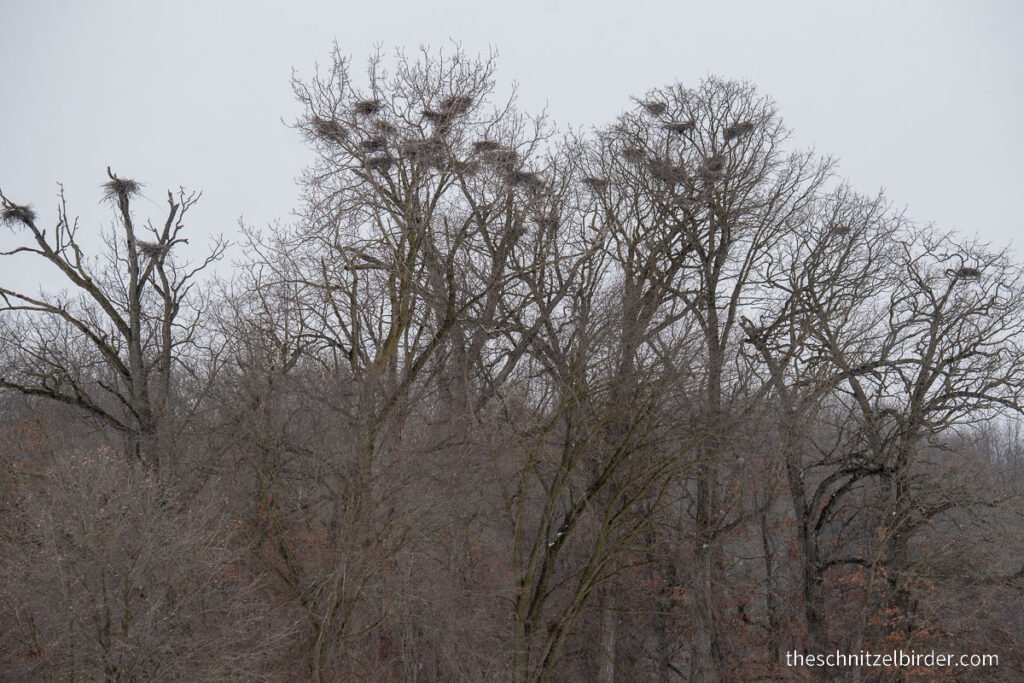
While I recommend to definitely wear some warm cloths and layer up, I recommend to leave the bird seeds at your feeder at home. To me, a typical winter trip to Kensington includes the following gear:
My typical gear list
- Thermal pants (for temperatures sub freezing)
- Heavy gloves
- Warm Hat (Detroit Lions Hat)
- Warm Coat
- Sony A7IV + Sigma 150-600mm F5/-6.3 DG DN
- Camera Strap
- Vortex Crossfire HD 10×42 Binoculars
- Vortex Crossfire HD 20-60×80 Spotting Scope
- Snacks (ideally homemade)
Now what? Einkehren at the Witch’s hat brewery in South Lyon
If you read through my other reports and guides, you know by now, that I do like a good beer every once in a while. And what is there better to do than grabbing a local craft beer after a long day in the cold.
My recommendation for today is the Witch’s Hat Brewing in South Lyon. They are located 10 to 15 minutes south of Kensington (depending on where you are in the park). My last visit was before I decided to start this Blog, so you must forgive me, that I do not have a more extensive review. I will add that as soon as I was there the next time!
If you liked this little guide, please also make sure to visit my reports and guides about Belle Isle, Lake St. Clair Metropark and on how-to not find Snowy Owls!
Did I miss anything? Let me know in the comments below! And please make sure to subscribe to my mailing list for monthly updates outside of my blog! 🥨🦉
Adventure of the Month
Follow me on my quest of finding the most authentic Döner in the Detroit Metro. Only one way to find out if I was succesful